Heavy Rain Forecast for Northern Vietnam Starting Tonight
Northern Vietnam is set to experience heavy rainfall starting tonight, with some areas expecting over 300mm
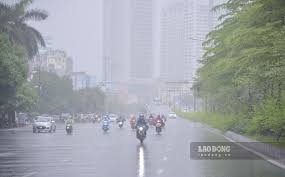
The National Center for Hydro-Meteorological Forecasting has issued a warning for significant rainfall in Northern Vietnam from July 19 through the night of July 20. The mountainous regions are expected to be the hardest hit, with localized areas potentially receiving more than 250mm of rain.
As of the morning of July 19, regions including Lai Chau, Dien Bien, Lao Cai, Tuyen Quang, and Cao Bang have already recorded moderate to heavy rainfall, with some areas experiencing very heavy rain. Rainfall measurements from 7 PM on July 18 to 8 AM on July 19 showed over 70mm in several locations, including 130.6mm in Thuong Son (Tuyen Quang) and 82.8mm in Vinh Quang 1 (Cao Bang).
Forecasts indicate that from July 19 to the night of July 20, the mountainous areas of Northern Vietnam will continue to see moderate to heavy rain, with expected totals ranging from 50 to 100mm, and isolated areas could exceed 250mm. There is a high risk of intense rainfall, with projections of 100mm within a three-hour period.
In the midland and delta regions of Northern Vietnam, scattered rain and thunderstorms are anticipated on the evening of July 19, with rainfall amounts between 10 and 30mm, and isolated areas may see over 60mm. On July 20, similar conditions are expected, with rain and thunderstorms likely to occur, particularly in the evening and early morning hours.
The authorities have cautioned that thunderstorms may lead to strong winds, hail, and lightning. The risk level for natural disasters due to heavy rain, thunderstorms, and hail has been classified as level 1.
Regarding hydrological conditions, water levels in major rivers in Northern Vietnam are currently stable and below alert levels. However, from July 19 to July 20, a flood event is anticipated, with water levels expected to rise by 2 to 4 meters. This could lead to flooding in low-lying areas along rivers, affecting transportation, aquaculture, agriculture, and other socio-economic activities.
Authorities are urging residents in vulnerable areas to remain vigilant and prepared for potential flooding and landslides, especially in mountainous regions and low-lying urban areas.