Experts Predict Decline in Apartment and Land Prices by Q3 2026
Experts forecast that the trend of declining prices for apartments and land lots may intensify starting in
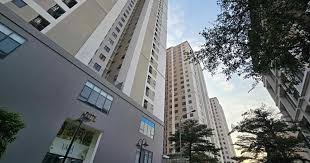
Experts predict that the pressure to reduce prices on apartments and land lots in Vietnam will increase in the near future, especially among investors who have heavily relied on financial leverage. The real estate market is currently experiencing a significant phase of differentiation, with liquidity declining across various segments, while investment capital is becoming more cautious.
According to Đỗ Thu Hằng, Senior Director of Research and Consulting at Savills Hanoi, the current price adjustment is primarily occurring in the secondary market, where many investors used financial leverage during the previous boom. Hằng noted that apartment prices in Hanoi have surged too quickly over the past two years, while income growth has not kept pace, leading to a substantial decline in market absorption capacity.
"Buyers are now more interested in the actual utility value, infrastructure connectivity, and operational capacity of projects rather than merely anticipating future price increases," Hằng stated.
On the ground, many real estate agents report that despite homeowners actively reducing prices by tens to hundreds of millions of VND per unit, actual transaction volumes remain quite limited. Phạm Thị Miền, Deputy Director of the Vietnam Real Estate Research and Assessment Institute, observed that the trend of selling apartments at reduced prices began in early 2026, primarily among a segment of investors who entered the market during the hot growth phase and used significant leverage, particularly loans with grace periods for principal repayment.
As these loans enter repayment phases amid rising interest rates, financial pressure is forcing many investors to sell properties to restructure their cash flow. Additionally, some investors, driven by the fear of missing out (FOMO), purchased properties at inflated prices during the market's peak but failed to achieve their expectations for quick gains, leading them to sell.
With an increasing supply of properties for sale, buyers are adopting a more cautious approach, resulting in slower liquidity in the secondary market. Miền predicts that as many loans reach the stage of repaying both principal and interest, financial pressure may continue to rise, potentially leading to more instances of price cuts, particularly among investors with substantial loans.
From another perspective, Trần Quang Trung, Business Development Director at OneHousing, forecasts that the market will continue to experience significant differentiation in the latter half of the year. He believes that products meeting real housing needs, located in advantageous positions with good infrastructure connectivity, existing communities, and appropriate sales policies will maintain their appeal. Conversely, speculative products will continue to face liquidity pressures.
Trung also suggests that interest rates are likely to remain stable in the near future, which will help the market avoid significant fluctuations but will also make investment capital more selective. Notably, the demand for asset accumulation remains present but has changed fundamentally. Instead of anticipating short-term price increases, buyers now prioritize assets that can retain value, have good liquidity, and can be effectively utilized in the long term.