Vietnam Plans Higher Taxes on Vacant Land to Curb Speculation
Vietnam's government is considering implementing higher taxes on vacant land to combat speculation and
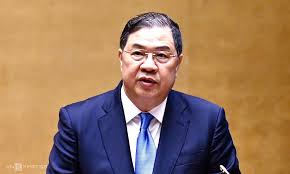
Vietnam's government is taking steps to address the issue of vacant land and its impact on the real estate market. During a national conference on July 29, Deputy Prime Minister Pham Gia Tuc announced plans to study a tax policy that would impose higher taxes on unused land. This initiative is part of a broader strategy to curb speculation and enhance the efficiency of land use in the country.
The proposal is rooted in the recognition that land is a critical resource that has not been fully utilized, leading to wastage and negative impacts on the market. The government aims to amend the Land Law and related regulations to streamline land management while ensuring that state control over land remains intact. The revised Land Law is expected to have a long-term vision extending to 2045 and beyond.
According to Deputy Prime Minister Tuc, the central government is focused on creating policies that make holding onto vacant land less profitable than actively utilizing it. This includes implementing a tax system that discourages land hoarding and encourages the efficient use of land resources. The government plans to establish a comprehensive database that connects land data with tax information, banking, and real estate transactions to prevent price manipulation and ensure transparency in land valuation.
The proposed tax measures are intended to promote the commercialization of land use rights by mandating transaction registrations. This will help create a more regulated and transparent real estate market. Additionally, the Ministry of Agriculture and Rural Development has included these tax policies in the draft amendment of the Land Law, which aims to address the challenges posed by vacant land and short-term property sales.
Historically, experts and lawmakers have advocated for taxing vacant land as a means to cool down the overheated real estate market. Last year, the government also called for research into taxing abandoned land and delayed housing projects to prevent speculation and inflated land prices. The ongoing discussions reflect the government's commitment to reforming land management practices and enhancing the overall health of the real estate sector in Vietnam.