Tax policies for property sector must be carefully studied: finance ministry
Tax policies for the real estate sector must be carefully studied and introduced at the appropriate time to
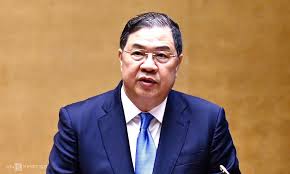
The Vietnamese government is exploring the introduction of higher taxes on vacant land as a means to prevent speculation and enhance the efficiency of the real estate market. This proposal was discussed during a national conference held on July 29, where the Politburo emphasized the need for reform in land management and related laws.
According to Deputy Prime Minister Pham Gia Tuc, land management in Vietnam faces numerous challenges, including inefficiencies and the potential for corruption. The current policies have not fully optimized land resources, necessitating a revision of the Land Law and other related regulations as outlined in Resolution 21.
The government aims to create a long-term vision for land management that extends to 2045 and beyond. A key aspect of this vision includes the use of tax and financial tools to reduce the benefits associated with land hoarding and to discourage speculation. The Deputy Prime Minister highlighted that the proposed tax would be significantly higher for land that remains unused or is slowly developed, thereby making it less profitable to hold onto vacant properties.
Land in Vietnam is considered public property, managed by the state, which will regulate and determine land prices to prevent the emergence of multiple pricing mechanisms. This regulation will rely on comprehensive data integration across land management, taxation, banking, and real estate sectors to ensure transparency and fairness in land pricing.
The government is also pushing for the commercialization of land use rights, mandating that all transactions be registered. This data must be synchronized among various government agencies, including notary offices, tax authorities, banks, and real estate management entities.
In conjunction with the proposed reforms to the Land Law, the Ministry of Agriculture and Rural Development is drafting a proposal that includes high taxes on vacant land and short-term property transactions. This initiative is part of a broader effort to adjust several laws that directly impact the real estate market, including the Housing Law and the Real Estate Business Law.
Previously, experts and lawmakers have suggested that imposing taxes on vacant properties could help cool down the overheated real estate market. Last year, the government requested a study on taxing idle land and projects that have stalled, aiming to prevent speculative practices and inflated land prices.