New Tax Regulation: Income Above 28.6 Million VND Subject to Tax
Under the new tax regulation effective from July 2026, individuals earning above 28.6 million VND per month
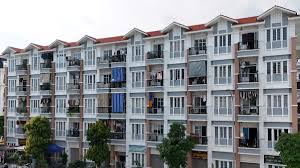
Effective August 1, 2023, Hai Phong has increased the income threshold for individuals wishing to purchase social housing to 29 million VND per month. This new limit is 4 million VND above the current national standard, as outlined in Decision 55 by the Hai Phong People's Committee.
The adjustment is based on a coefficient of 1.16, which determines the income level required for individuals to qualify for social housing in the city. For single individuals or those confirmed as single, the maximum income allowed to purchase social housing has been set at 29 million VND. Additionally, for unmarried individuals with minor children, the threshold has been raised to 40.6 million VND per month, an increase of 5.6 million VND.
Married couples can now have a combined monthly income of up to 58 million VND to qualify for social housing, which is 8 million VND higher than the previous regulation. The government allows provincial authorities to set their own income adjustment coefficients for social housing purchases, provided they do not exceed the average income ratio of the locality compared to the national average.
As of 2025, Hai Phong's average gross regional domestic product (GRDP) per capita is projected to reach 194.5 million VND, which is nearly 70 million VND higher than the national average. The city has been designated with the highest economic growth target in the country, aiming for a growth rate of 13% or more, with aspirations to reach 14% by 2030. This could see the average per capita GRDP rise to over 295 million VND by 2030, which would be an increase of more than 50% compared to the end of last year.
Hai Phong is currently one of the leading localities in Vietnam for social housing development. Last year, the city completed over 13,100 social housing units, surpassing the government's target by 23%. In the next two years, the city needs to construct an additional 13,900 social housing units to meet demand.