Gold Prices Drop Significantly in Vietnam
Vietnamese gold buyers faced heavy losses this past week, with prices plummeting by up to 7 million VND per
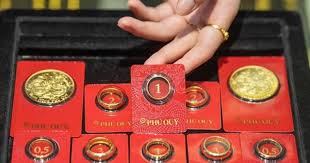
As of September 29, gold prices have shown a downward trend, with the SJC gold bar priced at approximately 138.5-141.5 million VND per tael (buy-sell), reflecting a decrease of 900,000 VND compared to the previous day's closing. Similarly, DOJI and Phu Quy also reported declines in their gold prices, with the spread between buying and selling prices remaining around 3 million VND.
In terms of global prices, gold is currently listed at about $4,130.6 per ounce. Analysts predict that the anticipated increase in interest rates and bond yields could push gold prices back to the $4,000 mark this week. However, a strategist believes that this price level could hold firm, and despite the challenges ahead, gold may still reach $5,000 per ounce within the next six months.
Experts note that the gold market is facing significant short-term pressures due to expectations that the Federal Reserve will adopt a more aggressive policy, coupled with a strengthening U.S. dollar. Nevertheless, there remains a structural buying force in the market, indicating ongoing demand.
The current sell-off in gold is not surprising given the strong shifts in interest rate expectations. Since mid-August, the market has priced in two additional rate hikes, significantly altering long-term interest rate projections. However, this adjustment has not substantially changed the long-term outlook for gold.
Analysts suggest that if the Fed raises interest rates further, it could hinder gold's performance in the short term, complicating the path to $5,000 per ounce as investors contend with high real yields. Moreover, higher interest rates do not address the long-term fiscal challenges facing the U.S. and other major economies, and rising borrowing costs may exacerbate these issues.
State Street reported that China's non-monetary gold imports reached a record 1,000 tons in the first seven months of 2026, marking a 78% increase year-on-year, despite domestic gold prices averaging 45% higher than last year. Western investors continue to allocate capital into gold even as prices fall, viewing it as a hedge against macroeconomic policy uncertainties and risks to fiat currencies.
The positioning in the gold options market reinforces the bullish price outlook, with long-term contracts showing a relatively positive bias, indicating sustained demand for positions benefiting from rising prices.
It’s important to note that the information provided reflects market trends and is not intended as investment advice.