Bac Ninh Proposes Nearly 50% Reduction of Educational Institutions
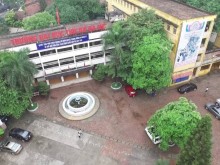
Bac Ninh's Department of Education and Training has proposed a significant reduction of nearly 50% in the
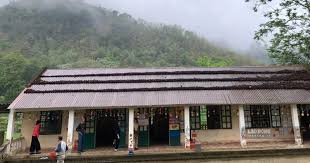
On September 5, 2026, Thanh Hóa province's government announced the transfer of 102 unused educational facilities, including kindergartens, primary schools, and secondary schools, to local communes for management. This decision was signed by Lê Quang Hùng, the Vice Chairman of the Provincial People's Committee, under Decision No. 2811/QĐ-UBND.
The transfer includes various facilities located in nine communes: Tây Đô, Điền Lư, Điền Quang, Biện Thượng, Quý Lương, Pù Luông, Nhi Sơn, Bá Thước, and Thiết Ống. Most of these facilities are situated in mountainous areas and have been in use for many years.
Among the transferred properties, Điền Quang commune received 26 facilities, Bá Thước 16, Điền Lư 15, Pù Luông 10, and Tây Đô 9. Some of these educational facilities hold significant asset values. For instance, the Bái Tôm area of Điền Lư Primary School encompasses over 3,845 square meters of land, valued at approximately 11.448 billion VND. The school building there covers more than 1,100 square meters and is valued at over 2.307 billion VND, with a remaining value of about 636 million VND.
In Tây Đô, the land for Vĩnh Tiến Primary and Secondary School spans 4,150 square meters, with an original value of about 6.88 billion VND. The Vĩnh Long Kindergarten in Bèo Cũ village has over 5,392 square meters of land, valued at over 6.47 billion VND. Meanwhile, Bá Thước's Lâm Xa Kindergarten occupies over 1,127 square meters, valued at 6.4 billion VND.
The provincial government emphasized that the transfer was necessary as the managing units no longer required these assets. The aim is to improve the efficiency of public asset utilization and reduce waste. Local authorities are required to review the asset records, update their values in accounting books, and develop specific plans for utilizing these facilities in alignment with educational, healthcare, cultural, urban, and public infrastructure development goals.
Furthermore, the provincial government mandated that no public assets should be left vacant, deteriorating, or misused. For assets that are no longer needed, local authorities must devise a plan for their handling and report to the relevant authorities as per regulations.