Survey of Four Urban Renovation Projects in Southern Canal Area
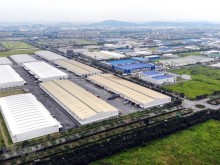
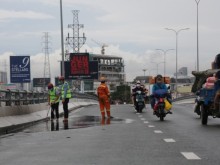
A recent survey has been conducted on four urban renovation projects located in the southern area of Canal
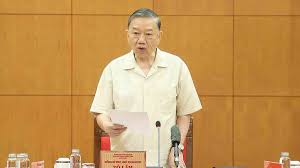
On August 6, during a meeting with the Government Party Committee, General Secretary and President Tô Lâm addressed the pressing issue of accountability in infrastructure development. He stressed that projects suffering from delays, repeated adjustments, or inefficient operations must have their responsibilities clearly defined.
Lâm pointed out that infrastructure is a critical factor in enhancing the national competitiveness of Vietnam. He noted the significant progress made in infrastructure development over recent years, which has helped alleviate bottlenecks, expand development spaces, and improve the living standards of the population.
However, he also called for continued innovation in planning and developing infrastructure. The infrastructure plans should align with the national development strategy and economic spatial organization, ensuring a long-term vision that accommodates changes in technology, market conditions, demographics, and climate.
The General Secretary emphasized the need for a synchronized development of economic, social, digital, and scientific infrastructure, alongside innovation. He urged that various transport modes must be interconnected with energy, logistics, urban infrastructure, and other economic and social sectors.
Moreover, Lâm insisted on enhancing governance quality throughout the entire project lifecycle. He stated that investment decisions should only be made when all conditions regarding planning, land, capital, materials, technology, human resources, and connectivity infrastructure are met. Clear accountability is essential when projects face delays, budget adjustments, or underperformance.
He also called for the establishment of a unified database regarding planning, projects, and infrastructure assets, alongside increased application of digital technology and artificial intelligence in investment management and operations.
“Effectiveness is not just about disbursement rates; it also encompasses progress, quality, connectivity, and the operational efficiency of key infrastructure projects,” he remarked.
Lâm directed that resources should be focused on completing transport and logistics corridors, developing national waterway and urban rail transport, and ensuring a balanced development of electricity and storage systems.
He highlighted the importance of public investment in leading the way, focusing on foundational inter-regional infrastructure and essential public works. The government should refine the public-private partnership investment mechanism to attract private capital while ensuring a fair distribution of benefits and risks.
Furthermore, he stressed the need for transparency in the use of foreign technology, emphasizing the importance of training, technology transfer, and localization to gradually achieve mastery over strategic technologies.
The General Secretary also called for a stronger delegation of authority to localities, encouraging them to take initiative in projects where they excel. For inter-sectoral and inter-regional projects of national strategic significance, a unified coordination mechanism is necessary.
He warned against prioritizing speed over quality and safety in project implementation and urged for increased measures against corruption and waste, ensuring strict adherence to investment discipline.
Lâm concluded by stating that the projects decided upon today will shape the country for decades to come. By 2045, Vietnam must have a synchronized, intelligent, green, and resilient infrastructure system that seamlessly connects regions, integrates the economy with global markets, and provides essential services to its citizens.