Tropical Depression Expected to Strengthen into Typhoon No. 5
A tropical depression in the East Sea is forecasted to strengthen into Typhoon No. 5 within the next 24
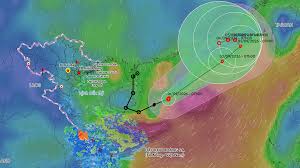
A tropical depression in the western North Pacific Ocean strengthened into Typhoon Saudel on September 1, becoming the fifth typhoon of the year. According to the National Center for Hydro-Meteorological Forecasting, as of 7 AM, the typhoon was located about 310 km northeast of the Paracel Islands, with maximum winds reaching 74 km/h, classified as level 8, with gusts increasing by two levels. The storm is moving northeast at approximately 20 km/h.
By 7 AM the following day, the typhoon is expected to maintain its intensity and trajectory as it moves through the northeastern waters of the North Pacific. On September 3, the storm will continue to hold its strength in the same region, but its speed will decrease to 5-10 km/h. By the morning of September 4, the typhoon will change direction to the northwest, moving slowly at a speed of 3-5 km/h towards the southern waters of Fujian Province in China.
As it approaches, the storm is expected to weaken into a tropical depression with wind speeds of level 7 and gusts reaching level 9. Both the Japan Meteorological Agency and Hong Kong's meteorological services predict that the storm will maintain wind speeds of 65 km/h as it heads towards Taiwan.
The impact of Typhoon Saudel has already been felt, with strong winds of levels 6-7 and gusts of levels 8-9 in the northern waters of the North Pacific, generating waves of 2-4 meters high. Areas near the storm's center are experiencing winds of level 8 and gusts of level 10, with waves reaching 3-5 meters high. Vessels operating in these dangerous areas are at risk of severe weather, including thunderstorms, strong winds, and high waves.
Previously, Typhoon Narra and heavy rains resulted in three fatalities, three injuries, and significant property damage, including the total collapse of two houses, damage to 1,329 homes, and flooding affecting tens of thousands of houses. The floods have inundated 32,930 hectares of rice and crops, affected over 1,400 hectares of agricultural land, and led to the death of 213 livestock and 12,847 poultry. Additionally, over 1,000 hectares of aquaculture have suffered damage. Infrastructure has also been impacted, with 2,135 meters of dikes and canals damaged, 310 transportation points experiencing landslides, and 71 areas flooded, leaving over 10,600 customers without electricity.