Flood tides threaten HCMC’s low-lying areas
HCMC – The low-lying areas in HCMC are predicted to suffer flooding as flood tides on rivers and canals rise
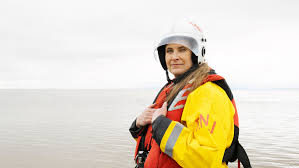
With temperatures set to rise across Wales, the Royal National Lifeboat Institution (RNLI) is urging people to follow essential water safety advice and be mindful of spring tides this coming week.
The RNLI has issued a warning as the Met Office has announced an amber warning for the country's fifth heatwave this year. The combination of hot weather and spring tides can significantly increase the risk of individuals becoming stranded along the coast.
Tirion Dowsett, Water Safety Delivery Support at the RNLI, explained that tide times and heights vary throughout the month, and the incoming tide can easily leave people stranded, requiring assistance. The occurrence of spring tides means a greater difference between low and high tide, resulting in higher water levels that can move faster than usual.
"On bigger tides, places will be cut off by the tide more quickly than normal, and areas usually unaffected may also be impacted," Dowsett noted. Visitors to the coast are encouraged to check tide times before heading out and to seek assistance if they have difficulty understanding tide tables.
Dowsett added that it’s crucial to monitor the incoming tide and to leave enough time to return safely. She advised beachgoers to carry a means of calling for help, such as a fully charged mobile phone, and to dial 999 and ask for the Coastguard if they find themselves in difficulty.
Another risk highlighted by the RNLI is cold water shock, which can occur even in hot weather. Dowsett emphasized that the sea may appear inviting, but the water remains cold enough year-round to trigger this dangerous condition, which can lead to panic and drowning. She recommended entering the water slowly to acclimatize.
In case of danger in the water, the RNLI advises individuals to "Float to Live" by relaxing and floating on their back while tilting their head back to control their breathing. This technique can buy valuable time to regain composure before seeking help or swimming to safety.
The RNLI also reminds the public that the safest place to swim is at a lifeguarded beach, and swimmers should always stay between the red and yellow flags. Many Welsh beaches, including those in the Vale of Glamorgan, Bridgend, Swansea, Pembrokeshire, Ceredigion, and Denbighshire, are now staffed with lifeguards from 10 am to 6 pm.