Minister suggests support for firms to invest in Cuba
NDO/VNA – Minister of Industry and Trade Nguyen Hong Dien has committed close collaboration with the Cuban

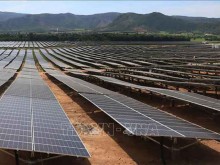
Cuba is making strides in harnessing its abundant solar energy resources as the country grapples with ongoing energy shortages. Community solar charging stations, affectionately referred to as "Solinera" by locals, are emerging as crucial support systems for communities across the island. These stations convert sunlight into electricity, allowing residents to charge electric vehicles, mobile phones, tablets, and essential household appliances.
As of the end of July 2026, Cuba has successfully launched 25 Solinera stations, with an additional 15 in various stages of design and construction. According to Trabajadores, the Cuban Workers' newspaper, these stations are not merely popping up as part of a trend; each is specifically designed to meet the unique needs of its local community.
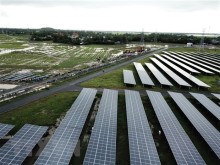
One noteworthy development comes from the Electronic Industry Enterprise (EIE) Comandante Camilo Cienfuegos, which has become the first company in Cuba to fully meet its energy needs through solar power. This initiative includes 22 solar farms that contribute approximately 3,000 kilowatt-hours daily to Havana's power grid. However, the true impact of the Solinera stations extends beyond just charging electric vehicles. Many of these stations also provide free electricity for mobile phones, lamps, and cooking appliances, serving as vital "electric oases" for communities often facing power outages lasting over 20 hours a day.
One of the latest projects is underway in the Rampa People's Council in the Vedado district of Havana. This station, still under construction, is part of the Rampeando Local Development Project and will specifically cater to electric tricycles used for solid waste collection. Community leaders express enthusiasm for the initiative, highlighting its dual benefits of utilizing solar energy and improving waste management.
In Villa Clara, the Solinera Virginia station, inaugurated in April 2026, operates independently from the national grid thanks to its 56 solar panels, generating 50kW with a storage capacity of 30kW. Beyond charging devices, this project, driven by the Gomate Initiative, also connects donations of household goods and food to orphanages and healthcare facilities in the province.
In Holguín, the El Girasol station, launched in June 2026, quickly became a lifeline for both residents and transport operators. With 30 solar panels, it generates 40kW and has a storage capacity of 32kW, demonstrating the potential for solar energy independence.
Looking ahead, plans are in motion for a new station to be established at kilometer 270 on the National Highway, aimed at serving traffic participants on this route. This initiative represents another step towards expanding the promising model of solar energy stations across the country. Overall, each small Solinera station contributes to a larger network, where sunlight not only powers electric vehicles but also illuminates phones, lights, meals, and the hopes of countless communities seeking a more stable energy source.