Iran Opposes US Plan to Control Strait of Hormuz
Iran has voiced strong opposition to the United States' plans to control the Strait of Hormuz, a critical
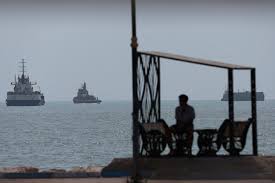
The United States has recently taken military action against Iran after a month of relative quiet, a move that has raised eyebrows globally. The U.S. government has stated that this decision was prompted by increasing tensions and security concerns surrounding Iran's activities in the region.
In the past few months, U.S.-Iran relations have been strained due to various incidents, including attacks on shipping in the Persian Gulf and Iran's continued development of its nuclear program. The U.S. has expressed its commitment to ensuring the safety of its allies and maintaining stability in the region, which it views as threatened by Iran's actions.
Officials have indicated that the military action is part of a broader strategy to deter Iran from engaging in aggressive behavior that could destabilize the region further. This strategy includes not only military measures but also diplomatic efforts aimed at bringing Iran back to the negotiating table regarding its nuclear program.
Moreover, the U.S. has emphasized that its military presence in the region is not only for deterrence but also to protect its interests and those of its allies, particularly Israel and Gulf states, which have expressed concerns over Iran's influence and military capabilities.
As the situation develops, analysts are closely monitoring the implications of this renewed military engagement and its potential impact on regional stability and international relations. The U.S. aims to send a clear message that it will not tolerate threats to its interests or those of its allies, while also navigating the complex dynamics of Middle Eastern geopolitics.