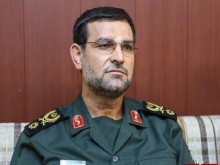
Iran Opposes US Plan to Control Strait of Hormuz
Iran has voiced strong opposition to the United States' plans to control the Strait of Hormuz, a critical
The ongoing conflict between Iran and the United States has escalated, with Iran adopting a more aggressive military posture. Recent reports indicate that Iran is not merely responding to US strikes but is proactively engaging in military operations aimed at achieving specific objectives. This shift in strategy reflects Iran's intent to frame its actions as defensive while simultaneously coercing the United States and regional states into accepting its terms.
On July 27, 2026, Saudi Arabia and Jordan reported hostile drone attacks attributed to Iranian-backed militias. These attacks are part of Iran's broader strategy to maintain plausible deniability while advancing its goals, including the critical objective of asserting control over the Strait of Hormuz. This strategic waterway is vital for global oil shipments, and Iran's actions are designed to disrupt efforts by Gulf states to bypass its control.
The Houthis, an Iranian-aligned group, have also intensified their military operations, targeting Saudi infrastructure essential for oil transportation. Their spokesperson announced drone launches aimed at Saudi oil facilities, emphasizing that these actions are a direct response to Saudi Arabia's blockade on Houthi-controlled ports and airports. This ongoing conflict highlights the complex interplay of regional power dynamics, where Iranian proxies are actively engaged in military operations that serve both their objectives and Iran's broader strategic goals.
Iran's military strategy appears to be focused on degrading the US's ability and willingness to continue its military operations, while simultaneously pressuring Gulf states to accept Iranian dominance in the region. The recent attacks on Saudi Arabia and Jordan are indicative of Iran's efforts to compel these nations to exert pressure on the US to end the conflict on terms favorable to Iran.
As the situation develops, it remains crucial for international observers to monitor Iran's military capabilities and its strategic objectives, particularly regarding the Strait of Hormuz, which plays a pivotal role in global energy security. The implications of these military actions extend beyond the immediate region, potentially affecting global oil markets and international relations.