Driver Fined 23 Million VND for Dangerous Braking on Highway
A driver in Hanoi has been fined 23 million VND for dangerously braking in front of another vehicle on the
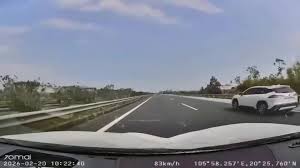
A tragic incident on a highway where a pedestrian was struck and killed by a vehicle has raised important questions regarding legal responsibility. According to legal experts, the mere fact that a pedestrian was hit does not automatically imply that the driver is at fault. Each party's responsibility must be assessed based on the specifics of the accident.
The director of the Noi Bai - Lao Cai Highway Operations Center, Ngo Van Loi, highlighted that highways are designed for high-speed vehicle traffic and are not intended for pedestrians. He noted that pedestrians often misjudge the speed and distance of oncoming vehicles, believing they can cross safely before the vehicle arrives. However, once a pedestrian steps onto the highway, they face immediate danger.
In response to the presence of pedestrians, drivers may attempt to brake or swerve, but such actions carry their own risks. Sudden braking can endanger vehicles behind them, while swerving can lead to collisions with other cars in adjacent lanes. Therefore, the danger extends beyond the pedestrian; unexpected situations can lead to multiple vehicles being involved in an accident.
When a pedestrian is detected on the highway, the operations center must quickly assess the situation and alert approaching vehicles. However, the effectiveness of surveillance cameras and patrol units is limited, as they cannot always respond in time to prevent accidents. The rapidity of events on highways makes it challenging to ensure pedestrian safety.
Legal expert Hoang Ha from the Ho Chi Minh City Bar Association stated that it is crucial to analyze the specifics of the accident to determine driver culpability. The law prohibits pedestrians from walking on highways, except for maintenance workers. If a pedestrian enters a highway unlawfully and is subsequently struck, their violation of traffic rules must be considered.
To ascertain whether the driver is at fault, authorities must evaluate various factors, including the vehicle's speed, lane position, visibility, and the driver's reaction time upon spotting the pedestrian. The law does not hold drivers accountable solely based on the outcome of an accident; rather, it considers the driver's ability to recognize danger at the moment it arises.
Moreover, pedestrians who deliberately cross highways or climb over barriers may face legal consequences. Hoang Ha emphasized the need to differentiate responsibility among all involved parties, rather than automatically blaming the driver or the highway management unit for accidents.
In situations where pedestrians frequently cross highways despite barriers, the management unit may also bear some responsibility if they fail to address known hazards. If there are repeated incidents of pedestrians entering the highway, it indicates a systemic issue that requires attention.
This incident serves as a grave reminder of the dangers associated with pedestrian behavior on highways and the potential consequences for both pedestrians and drivers. The perception that a quick crossing is harmless can lead to severe outcomes, highlighting the need for increased awareness and adherence to traffic regulations.