Vietnam Plans Higher Taxes on Vacant Land to Curb Speculation
Vietnam's government is considering implementing higher taxes on vacant land to combat speculation and
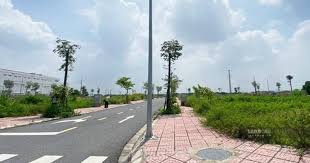
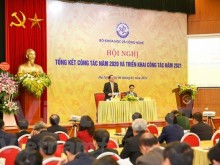
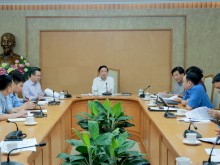
The Vietnamese government is considering a proposal to impose a tax on unused land as part of efforts to limit speculation and promote the productive use of land resources. This initiative was discussed during a meeting led by Deputy Prime Minister Ho Quoc Dung on September 21, 2026, where he emphasized the need for clear criteria and comprehensive data systems to effectively implement the tax.
According to Nguyen Quoc Anh, Deputy General Director of Batdongsan.com.vn, the proposed tax structure may include various forms such as taxes on unused real estate, personal income taxes, and registration fees. He highlighted that two types of taxes could be introduced soon: one targeting unused real estate and another on personal income from property transfers. For instance, in the United States, property owners typically pay about 1% of their property value annually as tax.
Quoc Anh noted that implementing a tax on unused land is reasonable, as it aims to ensure that land resources are actively utilized, which in turn generates cash flow and supports production. This shift in policy would encourage investors to rethink their strategies, moving away from merely holding land for price appreciation to actively developing and utilizing their assets.
Giang Huynh, Director of Research and Consulting at Savills Ho Chi Minh City, pointed out that if designed and implemented effectively, the tax on unused real estate could yield long-term benefits. It would discourage speculation and compel property owners to consider the actual utilization of their assets rather than simply holding them for potential price increases.
Dr. Tran Xuan Luong, Director of the Vietnam Institute of Economic and Real Estate Research, suggested that the focus should be on taxing properties that are not in use and do not contribute economically or socially. He stressed the importance of establishing clear definitions of what constitutes unused land and ensuring transparency in the data collection process.
To successfully implement this policy, a robust technological infrastructure for data collection and digitization is essential. Luong emphasized the need for accurate data to identify properties, assess their usage status, and apply the new tax policies appropriately, avoiding misclassification and ensuring that the correct entities are targeted.
The proposed tax is expected to directly impact the real estate market, similar to how interest rates do. If backed by comprehensive data, the tax could reduce speculative demand, redirect investment flows, and encourage a more balanced allocation of resources across different sectors rather than an over-concentration in real estate.