Ukraine Strikes Deep into Russia's Arctic Gas Heartland
Ukrainian drones have launched a significant strike deep into Russia's Arctic region, targeting an
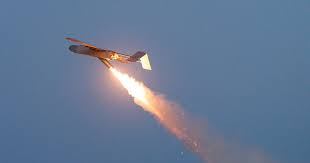
On September 10, 2026, Ukraine executed its most extensive drone strike into Russian territory, targeting two gas condensate facilities located in the Arctic region. This unprecedented attack, which occurred more than 3,000 kilometers from Ukraine's border, highlights the advancements in Ukraine's military technology as the Russia-Ukraine war enters its fifth year.
Unverified videos circulating on social media depict large clouds of dark smoke rising from the Novy Urengoy plant in western Siberia, suggesting significant damage. Dmitry Artyukhov, the governor of the Yamalo-Nenets Autonomous Okrug, reported on Telegram that while the drone attacks were intercepted, debris from the drones caused a fire upon impact. Fortunately, there have been no confirmed casualties.
Ukrainian President Volodymyr Zelenskyy defended the long-range attack as "completely justified," coming shortly after U.S. envoys visited Moscow and Kyiv to discuss potential peace proposals. Although the discussions temporarily halted attacks on both capitals, hostilities resumed immediately after the envoys' departure.
The Ukrainian Armed Forces confirmed that they targeted two critical Russian gas processing plants in Novy Urengoy and the Purovsky district using FP-1 drones developed by Fire Point, a Ukrainian company specializing in long-range drone technology. The FP-1 drone, measuring approximately 6 meters in width, can travel at speeds of 140-180 km/h and costs less than $60,000 to produce.
This drone strike marks the first time Ukraine has reached Arctic targets, with the Kremlin's envoy to the Urals acknowledging the significance of this development. The Yamalo-Nenets region is crucial for Russia, accounting for about 80% of the country's natural gas production and two-thirds of its gas reserves.
The implications of Ukraine's ability to strike these facilities could be profound, potentially inflicting greater damage on Russia's economy, which heavily relies on energy exports. As international sanctions continue to impact Russia, the attack could exacerbate existing economic challenges.
For Europe, the ramifications are equally serious. Many EU member states depend on Russian gas supplies, and the recent attack could further complicate the continent's energy crisis. Gas prices in Europe have surged, reaching their highest levels since early 2023, as concerns grow over dwindling reserves ahead of winter.
Despite efforts to reduce dependence on Russian energy, a recent report by the European Court of Auditors criticized EU member states for insufficient investment in alternative energy sources, jeopardizing the bloc's crisis-response capabilities.