Increasing Workforce for Primary Healthcare in Quang Ngai
Quang Ngai province has transferred 399 healthcare workers, including 43 doctors, to strengthen local health
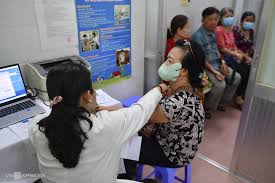
Ho Chi Minh City (HCMC) is taking a significant step to bolster its primary healthcare system by assigning hospital doctors to serve as directors of health stations for a period of 3 to 5 years. This initiative was announced by Tăng Chí Thượng, the Director of the HCMC Department of Health, on August 24.
The doctors who will be assigned to these roles are typically those who are part of the planning process or currently hold responsibilities in various departments within hospitals. They will be placed in charge of health stations that either lack a director or have limited management capabilities. This is the first time in Vietnam that hospital doctors have been tasked with leading health stations.
According to Thượng, this move serves a dual purpose: it aims to strengthen primary healthcare and also allows healthcare professionals to gain valuable management experience. The initiative is designed to ensure that local health stations are not operating in isolation but are integrated into a broader network connected with hospitals.
The restructuring of HCMC's healthcare system is part of a multi-tiered, multi-polar, and multi-center model aimed at better distributing healthcare services across the city. This approach seeks to bring high-quality medical services closer to the public, enhancing the capacity of primary healthcare facilities to manage chronic diseases and monitor community health rather than merely waiting for patients to seek care.
To facilitate this network, each hospital will be assigned to partner with several health stations. The two entities will maintain regular communication, allowing health station doctors to consult with specialists and conduct remote diagnoses when necessary. This is a shift from the previous practice of immediately transferring complex cases to higher-level hospitals.
Additionally, hospital doctors will rotate to health stations based on a set schedule, with a focus on high-demand specialties such as internal medicine, pediatrics, obstetrics, cardiology, endocrinology, and geriatrics. These doctors will not only participate in patient care but also manage chronic illnesses, monitor the elderly, conduct health check-ups, and train local healthcare staff, all within the communities they serve.
Thượng emphasized that the goal is not to turn health stations into "mini-hospitals" but to provide community health care directly at the local level, while still having larger hospitals available for support when needed. This initiative aims to create a cohesive healthcare network rather than allowing facilities to operate as isolated entities.
Recently, HCMC has been actively working to strengthen its primary healthcare system, reorganizing 168 health stations across various districts and enhancing their roles in disease prevention and health management for the population. Young doctors are being encouraged to practice at these stations, while hospitals are being mobilized to assist with examinations, screenings, and specialized support for primary care.