HCMC seeks to convert certain non-agricultural land into residential land
HCMC – Some 684 hectares of non-agricultural land could be converted into residential land, according to the
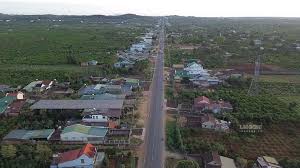
In Vietnam, local governments are taking steps to manage the construction of residential buildings on agricultural land. This issue has become increasingly prevalent as urbanization expands, leading to conflicts between agricultural use and residential development.
The regulation of residential construction on agricultural land is a matter of local governance, with communal authorities responsible for enforcing land use policies. These regulations are crucial for maintaining the integrity of agricultural zones, which are vital for food production and sustainability.
Authorities emphasize the importance of adhering to land use planning, which is designed to balance urban development with agricultural needs. By regulating construction on agricultural land, local governments aim to prevent illegal building practices that could undermine agricultural productivity and lead to environmental degradation.
Furthermore, the enforcement of these regulations is part of a broader initiative to promote sustainable land management practices. Local authorities are encouraged to educate residents about the importance of preserving agricultural land and the potential consequences of unauthorized construction.
As Vietnam continues to develop, the challenge of managing land use effectively will remain a priority for local governments. Ensuring that agricultural land is used appropriately is essential for the country’s food security and environmental health.