Police Warn Citizens About SMS Scam Posing as Traffic Violations
Vietnam's police have issued a warning regarding a new SMS scam that falsely claims to notify recipients of
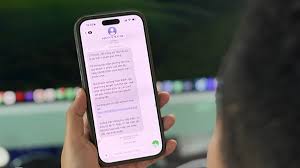
In recent days, many individuals in Vietnam have reported receiving fraudulent iMessages that falsely claim to be from the Ministry of Public Security and VNPost. These messages typically inform recipients of alleged traffic violations or issues with package deliveries, creating a sense of urgency to respond.
On August 18, a man named Quang Huy from Hanoi received a message from an international phone number, purporting to be from the Ministry of Public Security. The message stated, "Our system has confirmed that your vehicle violated a red light on August 6, 2026, and you have not yet paid the fine." It demanded payment within 48 hours, warning that failure to comply would result in a 50% increase in the fine and the potential confiscation of vehicle documents.
The message included a link for users to "view details and make payment," and even suggested that users respond to receive a new link if the original one was inaccessible. Initially, Huy believed the message was legitimate due to its official-looking presentation. "I was quite worried because it related to penalties. The link also contained 'gov', which made it look like an official government website," he explained. However, upon further inspection, he realized the message was sent from an international number and the domain was not an official government address, leading him to conclude it was a scam.
Not only are fraudsters impersonating the Ministry of Public Security, but reports indicate that many have also received messages claiming to be from VNPost. These messages typically inform recipients that a package is about to be delivered but lacks a specific house number, urging users to update their information for delivery. Many of these messages are sent via iMessage to iPhone users.
Experts from the Anti-Fraud Project recommend that users do not follow any instructions in these messages. The common tactic involves impersonating government agencies or large corporations, playing on users' fears or needs related to deliveries and fines. Additionally, these messages often impose short deadlines, prompting users to act quickly and overlook verifying the sender's information and domain.
If users click on the fraudulent link, they may be prompted to enter personal information or payment data, leading to potential financial loss and data breaches. Signs of a scam include messages from unknown numbers and domains that contain misspellings designed to mislead users at a glance. Previously, scammers used fake BTS stations to send bulk SMS within a limited range, while the latest messages utilize foreign phone numbers starting with +212.
Experts advise that if users receive suspicious messages, they should not respond or engage further. If they have clicked on a link but have not provided any information, they should close the page and refrain from any further actions. If they have entered account details or payment information, they should contact their bank and relevant authorities immediately to secure their accounts.