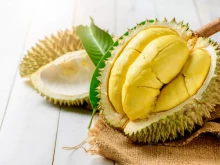
Durian exported abroad increased to a record price, farmers immediately profited billions
After the Lunar New Year, the price of durian exported to China increased gallopingly, at times the purchase
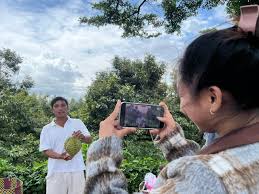
In a remarkable shift, farmers in Dak Lak are now live streaming the sale of their durian, generating billions in revenue during harvest seasons. This transformation represents a significant move away from the past, where farmers were often at the mercy of middlemen who dictated prices and left them with little profit.
Years ago, agriculture among the ethnic minorities in Dak Lak was characterized by fragmented farming practices, limited capital, and heavy dependence on intermediaries. If their products didn’t go through multiple price cuts, they often remained unsold, waiting for a ‘rescue’ from buyers. However, recent advancements in digital agriculture, supported by strong government policies aimed at improving the livelihoods of ethnic minorities, have drastically changed the landscape.
According to the Dak Lak Department of Science and Technology, over 1,100 community digital technology groups have been established across the province, with thousands of members actively participating. These groups are crucial in guiding local farmers on how to utilize digital platforms, engage in cashless transactions, and enhance their trading skills online.
Nguyen Van Ha, a representative from an agricultural cooperative in Dak Lak, emphasized that to export durian or sell at higher prices, farmers must now have a designated growing area and transparent information. Unlike relying on traditional knowledge, farmers today are adept at using QR codes and checking growth parameters on their smartphones. This transparency, facilitated by technology, is essential for expanding their market reach.
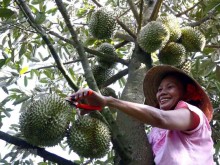
One vivid example is H’Ui Êban, a farmer from Ko Siêr village, who has embraced this digital transformation. With nearly one hectare of durian and coffee trees, she has transitioned from using inferior varieties to cultivating high-quality ones and registering her farming practices with the cooperative. During harvest season, she actively promotes her durian on social media, sharing not just the product but also the story of sustainable farming and the unique culture of her village.
With her farm located near a major road, H’Ui has also developed an eco-tourism spot, where she livestreams directly from her durian orchard, attracting visitors and potential buyers. Each livestream session can yield sales of 200 to 300 kilograms of durian, showcasing the effectiveness of this new approach.
However, the journey into e-commerce is not without challenges. Farmers must navigate logistics and ensure proper handling of durian, which has a short shelf life. Initial experiences included issues with overripe fruit being returned, leading to significant losses. Learning to classify fruit by ripeness and collaborating with specialized transport services has become essential for maintaining quality.
The Dak Lak Durian Association has partnered with various professional organizations to create a structured digital marketplace for local durian. This initiative focuses on enhancing digital skills and online sales capabilities for farmers and cooperatives. Le Anh Trung, president of the association, stated, “Digital skills and communication capabilities are crucial for the sustainable development of our local durian industry.”
The digital transformation in Dak Lak agriculture is beginning with small yet impactful changes. Farmers are now using cameras to showcase their orchards, banking for cashless transactions, and taking responsibility for their product quality in front of millions of viewers. The emergence of '4.0 farmers' is a clear indication of breaking the monopoly of traditional intermediaries, ensuring that the value of agricultural products reflects the hard work of farmers.
This new narrative of the younger ethnic minority generation is one of proactivity and adaptability, combining local knowledge with modern technology to confidently elevate the flavors of the Central Highlands on the digital agricultural map.