B-52 Bomber Crash Claims Lives of Eight Individuals
A tragic B-52 bomber crash at Edwards Airforce Base has resulted in the deaths of eight individuals,
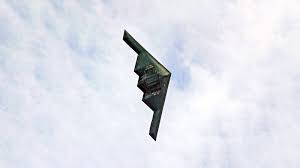
The sight of a Rockwell B-1B Lancer, Northrop Grumman B-2 Spirit, and Boeing B-52 Stratofortress flying together is a striking demonstration of American airpower. However, the United States Air Force (USAF) almost never stages such deployments in real battle, and these aircraft rarely depart from the same bases. The extraordinary logistical effort required to support three aircraft with vastly different maintenance needs, weapons systems, and operational concepts is the primary reason for this rarity.
One notable exception occurred on August 17, 2016, when Andersen Air Force Base in Guam launched an integrated operation involving all three bombers. This event marked a milestone in US strategic aviation, showcasing the ability to integrate three unique platforms while reassuring allies and reinforcing regional stability. The operation was part of the Continuous Bomber Presence mission, which has since evolved into the Bomber Task Force model, emphasizing flexibility and unpredictability in deployments.
Coordinating such a complex mission requires extensive planning and logistics. Each bomber type has distinct maintenance organizations and support requirements. The B-2 Spirit, for instance, is the most demanding aircraft to support due to its stealth technology, which necessitates continuous inspection and specialized maintenance. In contrast, the B-1B Lancer and B-52H Stratofortress, while less complex, still require dedicated specialists and unique logistical chains.
Andersen Air Force Base is uniquely equipped to handle these operations, featuring infrastructure that supports heavy bombers, including a capable runway, expansive parking ramps, and hardened weapons storage. The base's personnel have years of experience managing rotating bomber detachments, making it a prime location for such missions.
Each bomber serves a different strategic purpose. The B-1B is optimized for speed and payload, while the B-52H excels at long-range standoff strikes. The B-2 Spirit is the only operational stealth bomber capable of penetrating advanced air defenses. This layered approach to deterrence complicates potential adversaries' defensive planning, forcing them to prepare for multiple attack profiles simultaneously.
In summary, while the integration of the B-1B, B-2, and B-52 bombers in a single operation is a powerful demonstration of airpower, the logistical challenges and distinct operational requirements of each aircraft make such deployments a complex endeavor.