The B-52 Incident: A Close Call with Nuclear Disaster
In January 1968, a B-52 bomber carrying four hydrogen bombs crashed in Greenland due to a fire caused by
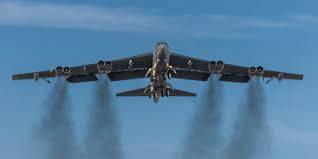
From 1961 to 1968, the United States conducted Operation Chrome Dome, a nuclear deterrence strategy that involved flying B-52 bombers loaded with thermonuclear weapons around the clock. This operation aimed to maintain a constant state of readiness against the Soviet Union, especially after the Cuban Missile Crisis. However, the mission was fraught with risks, and a series of accidents ultimately led to its termination.
One of the most significant incidents occurred on January 21, 1968, when a B-52 bomber, carrying four hydrogen bombs, crashed in Greenland. The aircraft was on a mission known as the Thule Monitor, intended to verify the operational status of the Ballistic Missile Early Warning System at Thule Air Base. Unfortunately, a fire broke out in the plane due to a malfunction in the heating system, which ignited foam cushions placed beneath a navigator's seat.
As the fire spread, the crew attempted to evacuate the aircraft. While six members successfully ejected, co-pilot Leonard Svitenko tragically lost his life in the attempt. The bomber ultimately crashed onto the sea ice of North Star Bay, leading to the contamination of the area with nuclear debris.
In response to the incident, the U.S. initiated operation Crested Ice, deploying nuclear clean-up crews to the site. Fortunately, none of the bombs detonated, but the crash raised serious concerns about the safety of the ongoing operation. Just a day after the incident, the Department of Defense decided to end Operation Chrome Dome.
The crash sparked protests outside the U.S. embassy in Copenhagen, particularly impactful as it occurred just before Danish general elections. The incident highlighted the dangers associated with Cold War-era military strategies and the precarious nature of nuclear deterrence.
Operation Chrome Dome had been marked by several near-misses over its seven-year duration, including previous accidents in North Carolina, California, and Spain. However, the Greenland crash was the final straw, leading to significant changes in U.S. military policy regarding nuclear weapons and their deployment.