The Chrome Dome: US B-52s on Continuous Nuclear Patrol
From 1960 to 1968, the US Air Force operated the Chrome Dome program, keeping B-52 bombers armed with
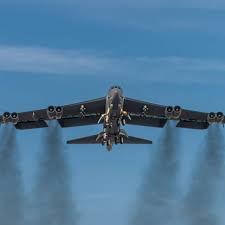
In January 1968, a B-52 bomber on a mission known as the "Hard Head" crashed into the Arctic ice of North Star Bay, Greenland, carrying four hydrogen bombs. The incident was triggered by a fire that broke out inside the aircraft, which was caused by foam cushions placed under a navigator's seat. This unfortunate event not only led to the loss of the aircraft but also marked the end of Operation Chrome Dome, a Cold War strategy involving the continuous airborne presence of nuclear-armed bombers.
Operation Chrome Dome was initiated during a period of heightened tensions between the United States and the Soviet Union, particularly after the Cuban Missile Crisis in 1962. From 1961 to 1968, the U.S. Air Force flew B-52 bombers loaded with thermonuclear weapons around the clock, ready to respond to any potential Soviet threat. Despite several close calls and accidents during this operation, including the dropping of nuclear bombs in North Carolina and Spain, the mission continued until the tragic event in Greenland.
The B-52 involved in the Greenland incident was conducting a routine flight to monitor the Thule Air Base's radar systems. However, a malfunction in the heating system led to the activation of an auxiliary heater that ignited the foam cushions. The crew attempted to make an emergency landing, but the fire spread too quickly, forcing six crew members to eject. Tragically, co-pilot Leonard Svitenko lost his life while trying to escape.
Following the crash, the U.S. initiated Operation Crested Ice, deploying nuclear cleanup crews to the site to manage the fallout from the incident. Fortunately, none of the hydrogen bombs detonated, but the event was a stark reminder of the risks associated with nuclear weapons and the potential for catastrophic accidents.
The aftermath of the crash sparked protests outside the U.S. embassy in Copenhagen, Denmark, coinciding with the country's general elections. The political ramifications were significant, as the incident contributed to the defeat of pro-U.S. politician Jens Otto Krag. The crash ultimately led to the cessation of Operation Chrome Dome, highlighting the dangers of maintaining a constant nuclear deterrence posture during the Cold War.