Understanding the Heat Index and Its Impact on Florida
As extreme heat continues to affect Florida, understanding the heat index becomes crucial for residents.
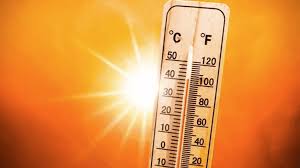
As dangerous heat continues to grip several regions, with near-record high temperatures forecasted, understanding the heat index is essential for public safety. A Heat Advisory is currently in effect for inland Berkeley, inland Colleton, Dorchester, Georgetown, and Williamsburg counties, while an Extreme Heat Warning has been issued for Beaufort, tidal Berkeley, Charleston, and coastal Colleton counties.
The heat index, often referred to as the "feels-like" temperature, combines air temperature and humidity to determine how hot it actually feels outside. With heat indices potentially reaching up to 115 degrees Fahrenheit in certain areas, it is vital for residents to take precautions.
High temperatures are expected to peak in the upper 90s over the next few days, and the added humidity will make conditions feel even hotter. Authorities recommend limiting outdoor activities during the hottest parts of the day, staying hydrated, and taking breaks in air-conditioned spaces. It is also crucial to avoid leaving children or pets in hot vehicles, as temperatures can rise dangerously within minutes.
The forecast indicates little relief at night, with low temperatures remaining in the upper 70s and low 80s. Record high temperatures from 1995 are also at risk of being surpassed, with today's record at 100 degrees and tomorrow's at 102 degrees. Looking ahead, the trend of very hot and humid conditions is expected to persist, with daily highs in the middle to upper 90s.
As the heat continues, it is imperative for individuals to stay informed and take necessary precautions to ensure their safety. By understanding the heat index and its effects, residents can better prepare for the extreme weather conditions ahead.