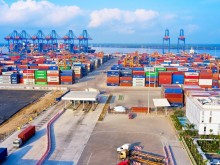
Ukraine Intensifies Search for Russian Ships Around Crimea
Ukraine has ramped up its efforts to target Russian vessels and has opened a new front around Crimea. This
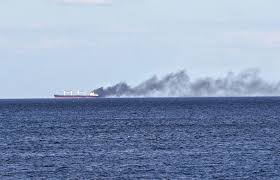
Ukraine is racing against time to find measures to cope with the escalating Russian attacks targeting vital transport routes in the Black Sea. Smoke has become a common sight in the region, particularly off the coast of Odessa, as Russia continues its bombardment of ports and vessels in Ukrainian waters. The most significant impact of Russia's campaign is being felt on land, with Ukraine facing the risk of an economic crisis if solutions are not found soon.
The agricultural and steel sectors, two key economic drivers for Kyiv, are suffering heavily as they are cut off from essential trade routes through the Black Sea. According to Olena Bilan, chief economist at Dragon Capital, Ukraine could lose between 1% to 1.5% of its GDP by the end of the year. Although the Black Sea has not been officially blocked, vessels are avoiding Ukraine due to fears of missile attacks. Since June, Russia has intensified its strikes on ships and port facilities.
This escalation comes as Ukraine increases pressure on the Russian economy through continuous attacks on oil refineries and logistics centers that serve both military and civilian purposes. The logistical challenges are compounded by the limited depth of ports on the Danube River, which are also facing Russian attacks and record-low water levels.
“It is very difficult to find any shipowner brave enough to send vessels to Ukrainian ports right now,” said Bogdan Kostetskyi, managing partner at Barva Invest consulting firm. “It seems we will have no choice but to transport goods through land border crossings. Even in the best-case scenario, these routes can only handle about 1.5 million tons of goods (agricultural products), while the actual demand is around 5 million tons per month,” he added.
The consequences for Ukraine are expected to be severe. Logistics costs for grain have increased by $50 per ton, while domestic grain prices have plummeted. Last month, agricultural exports fell by 23% compared to June. Major steel companies like Ferrexpo and Metinvest have halted production at some mines due to an inability to import raw materials and export goods.
In the long term, financially struggling farmers may reduce their planting areas, and steel companies could cut jobs, while consumer costs may rise due to increased railway freight rates. Rail freight costs have surged by 30% this month due to attacks on Ukrainian ports. Currently, Ukrainian farmers are opting to store grain rather than pay exorbitant export fees, while authorities are striving to find solutions.
However, a critical moment will arrive in mid-September when the corn harvest begins. Ukraine is expected to have a bumper crop this year, but storage facilities may not be sufficient. “Corn is one of the main grain products primarily aimed at the Chinese market. To export this product, deep-water ports and large-capacity vessels are needed,” said Serhii Vovk, director of the Transport Strategy Center in Kyiv.
Ukraine is urgently seeking support from its partners. According to the Ukrainian Ministry of Agriculture, one option being discussed is exporting goods through four Polish ports, despite Warsaw's current ban on importing grain from Kyiv. Meanwhile, Ukrainian Railways is negotiating with Moldovan Railways to reduce transit fees by 50% to lower transportation costs, ultimately aiming to transport goods to Romania's Constanța port.
Ukraine has also requested the European Union (EU) to provide €220 million ($254 million) in aid to support small and medium farmers by helping them pay interest on bank loans under the state’s 5-7-9% lending program. A significant turning point could occur later this month when Turkey mediates negotiations between Russia and Ukraine. Ankara called for a ceasefire in the Black Sea region on August 9, having previously facilitated the grain agreement in 2022 that restored Ukraine's grain transport operations.