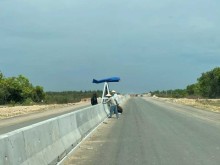
Khánh Hòa Launches Compensation for High-Speed Rail Project
Khánh Hòa province is set to implement a compensation plan for the high-speed rail project, which spans

Quang Ninh province has made significant progress in the land clearance process for the high-speed rail project connecting Hanoi and Quang Ninh, with two out of seven districts successfully completing their tasks. The project, which spans approximately 120 kilometers, aims to enhance connectivity and reduce travel time between these two key locations.
As of now, the province has cleared about 15% of the required land, with a target to complete the process by September 30, 2026. The total area needed for the project is around 278 hectares, of which 156.22 hectares require clearance. Local authorities have already managed to clear 24.9 hectares, involving 117 households and one organization, while 33.46 hectares of public land have been fully recovered.
Notably, the districts of Tuần Châu and Mạo Khê have handed over all necessary land to the project investors. Ngọc Thái Hoàng, Deputy Director of the Department of Agriculture and Rural Development in Quang Ninh, emphasized the province's commitment to expediting the land clearance process to meet the project's timeline.
To ensure timely completion, Quang Ninh has deployed 21 skilled personnel from various departments to assist in the land clearance efforts. The provincial government has allocated 2.76 trillion VND for this purpose. The high-speed rail project, initiated on April 12, 2026, is being developed by VinSpeed, a subsidiary of Vingroup, with a total investment exceeding 147 trillion VND, excluding land clearance costs.
The rail line will feature a double track with a gauge of 1,435 mm and will be electrified, allowing for speeds of up to 350 km/h, with a reduced speed of 120 km/h in the Hanoi section. The project is expected to facilitate travel from Hanoi to Hạ Long in approximately 30 minutes upon its completion in 2028, with an anticipated capacity of over 2 million passengers annually by 2028 and more than 15 million by 2050.