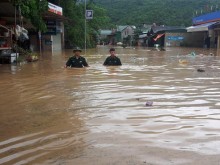
Tropical Depression Could Strengthen into Storm Number 1
A tropical depression is expected to develop into Storm Number 1 tonight or early tomorrow, affecting Quang
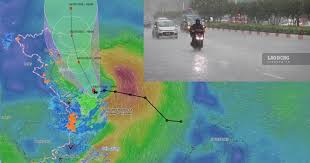
The National Center for Hydro-Meteorological Forecasting has released its forecast for the weather trend from August 2026 to January 2027, highlighting the expected impact of El Nino on storm activity in the East Sea. The agency indicates that while the number of storms and tropical depressions is expected to be lower than the long-term average, there is still a potential for powerful storms.
Currently, the El Nino phenomenon is active, with sea surface temperature anomalies in the central Pacific (NINO3.4 area) recorded at 1.3 degrees Celsius above average in mid-July 2026. Forecasts suggest that over the next three months, El Nino will continue to strengthen, with a 90% probability of reaching strong to very strong intensity. By late 2026, the likelihood of El Nino maintaining this strength is forecasted to be as high as 95%.
From August 2026 to January 2027, the number of storms and tropical depressions affecting the East Sea is projected to be below the long-term average. Historically, from August to October, there are typically about 6.8 storms/tropical depressions, with 2.7 making landfall. For the period from November to January, the averages drop to 2.8 storms, with only 1.1 impacting the land directly.
Despite the forecast of fewer storms, the risk of intense storms remains significant. The agency warns that during El Nino years, there are generally fewer storms in the East Sea, but the potential for severe weather events, including heavy rainfall and flooding, is still high.
Given the complexities of climate change and the increasing occurrence of extreme weather patterns, the meteorological agency emphasizes the need for continuous monitoring and timely updates on weather forecasts. It is crucial for local authorities and communities to stay informed and prepare adequately for possible storm impacts, particularly in terms of flood management and infrastructure safety.
In summary, while the forecast indicates fewer storms in the coming months, the potential for strong storms necessitates vigilance and preparedness among the population.