PNJ Director Arrested in Diamond Smuggling Case
Dang Ngoc Thao, the director of PNJ, has been arrested in connection with a diamond smuggling investigation.
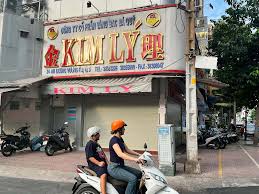
In a significant development in the diamond industry, three major brands in Ho Chi Minh City have abruptly ceased operations after their owners were implicated in a smuggling ring involving nearly 30,000 diamonds. The closures of Kim Ly, Ngoc Chau Au, and Ngoc Tam brands were observed on July 14, with many stores either shutting down or posting signs indicating temporary suspension.
Local residents noted that these stores typically operated until after 5 PM but closed earlier than usual on this day. One customer, Dung from District 5, was surprised to find the Kim Ly store closed when she attempted to sell a diamond she had purchased there. She mentioned that she had read about the owner's arrest and wanted to sell the diamond for cash.
In the same area, Ngoc Tam announced a two-week suspension of operations, while Ngoc Chau Au stated they were cooperating with authorities and assured customers of the quality of their diamonds. This brand, known for crafting crowns for various beauty pageants, had also announced a temporary closure on their social media, citing the need to reorganize their operations amidst market fluctuations.
The diamond market has faced significant challenges recently, beginning with rumors about diamond quality circulating on social media since early June, followed by investigations into the leadership of PNJ Lab for their involvement in the smuggling case. Representatives from several businesses in the diamond sector reported a surge in customers seeking consultations and appraisals for their diamonds during this tumultuous period.
Long Ngoc, another established brand in Ho Chi Minh City, announced its complete closure in mid-June due to liquidity issues as customers rushed to sell their diamonds. In Vietnam, most diamond businesses have policies in place to buy back diamonds, aiming to reassure customers. The buyback rates typically range from 80% to 95%, depending on the quality and condition of the product.
According to Nguyen Viet Hao, a diamond market expert with nearly 12 years of experience, the unique nature of each diamond makes transactions more complex compared to gold, which has standardized purity levels. The value of a diamond is influenced not only by its weight, color, clarity, and cut but also by certification, traceability, and the reputation of the selling company. Consequently, buyers often rely on appraisal results and the trustworthiness of the business rather than self-assessing the diamond's quality.
In the current climate, the buyback policies will serve as a test of the financial strength and credibility of diamond businesses, as any market fluctuations can significantly impact buyer confidence.