MIT and The Federal Reserve Bank of Boston Release The CBDC Research
Project Hamilton, administered by the Boston Fed and MIT, has released its Phase One results. Project
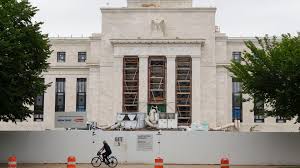
The Federal Reserve's headquarters, known as the Marriner S. Eccles Building, has been a site of contention regarding its tax obligations since it was completed in 1937. This controversy resurfaced recently, drawing attention to a significant episode from the 1940s.
During that time, the District of Columbia government argued that the Federal Reserve, with its unique structure of quasi-private reserve banks, was not a government entity and thus owed property taxes on its building. The situation escalated in 1941 when D.C. officials listed the building for tax auction due to a claim of $315,000 in unpaid taxes. Time magazine famously referred to it as "Eccles' opulent marble and bronze mausoleum."
However, just days after the auction was announced, the attack on Pearl Harbor occurred, leading the U.S. into World War II and shifting priorities away from the tax dispute. It wasn't until 1944 that the issue was resolved when the reserve banks signed a quitclaim deed, waiving any claim to ownership of the building and effectively nullifying the tax obligations.
This historical episode highlights the ongoing theme of the Federal Reserve's independence, which is not solely based on legal statutes but also on how those laws are interpreted and negotiated. The Fed's historians noted that Chairman Eccles understood the importance of actively defending the Board's legal status rather than simply acquiescing to tax demands.
In contemporary times, the independence of the Federal Reserve continues to be a topic of discussion, especially with former Chair Jerome Powell's objections to investigations into the headquarters renovation, which he views as a potential threat to the institution's autonomy. The legacy of Eccles remains significant as he was the last Fed chairman to remain in a prolonged position as a governor, illustrating the ongoing complexities surrounding the Federal Reserve's role and responsibilities.