Construction Begins on Metro Line 2's Pham Van Bach Station
Construction work has commenced on the Pham Van Bach underground station, part of the Ben Thanh - Tham Luong
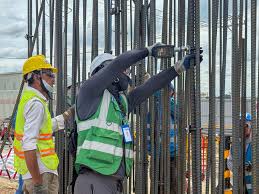
On July 2, the Management Authority for Urban Railways of Ho Chi Minh City (MAUR) initiated the construction of the steel wall for the underground station at Pham Van Bach, marking the official transition of Metro Line 2 (Ben Thanh - Tham Luong) into the direct construction phase.
This construction event coincides with the 50th anniversary of the city being named after President Ho Chi Minh, showcasing the commitment to expedite the project's progress by the investor, the EPC contractor consortium, and the dedicated engineers and workers on-site.
The Pham Van Bach station, alongside Le Thi Rieng station, is one of the most crucial junctions along the entire line. It will serve as the starting point for two large tunnel boring machines (TBMs) that will be utilized for underground excavation in the upcoming phases.
To facilitate the operation of the TBMs, the station construction must progress ahead of schedule. The steel wall is the first core technical component, providing a solid protective structure that ensures worker safety and prepares the site for subsequent construction steps. The total length of the steel wall at Pham Van Bach station is approximately 534 meters, with continuous construction expected over the next six months.
The construction of underground components requires strict adherence to technical and labor safety standards. Therefore, quality control of materials and organized site management are prioritized to protect workers and minimize disruptions to local traffic.
Currently, in addition to the Pham Van Bach station, engineers and workers are also active at the Le Thi Rieng station site. According to plans, during July and August 2026, after traffic flow adjustments are completed, the project will implement barriers and commence simultaneous construction at all remaining stations along the line.
MAUR has committed to closely coordinating with local authorities and relevant agencies to monitor labor safety, ensure project timelines, and minimize inconveniences for local residents during the construction process.