Cold Snap Expected in Northern Vietnam This Winter
Northern Vietnam is bracing for a cold snap that is predicted to arrive in late December, bringing
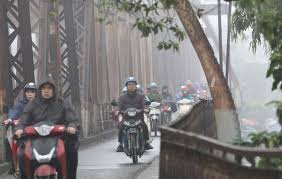
Meteorological agencies in Vietnam have announced that the first cold air front of the season is anticipated to arrive in Northern Vietnam towards the end of September or the beginning of October. This event typically occurs annually and is expected to bring about 5 to 7 cold spells over the following three months.
According to Mr. Mai Van Khiem, Director of the National Center for Hydro-Meteorological Forecasting, the current El Nino phenomenon is developing and is likely to reach a very strong intensity by late 2026. This could lead to higher than average temperatures across the country by 0.5 to 1.5 degrees Celsius, depending on the region.
The cold air is expected to start affecting the northern region by late September, with a gradual decrease in the frequency of storms and heavy rainfall. However, the impact of El Nino may result in a weaker cold air activity than usual, although this does not mean that cold spells will not occur.
During the months of December 2026 to January 2027, the cold weather is predicted to arrive later than usual, with fewer days of severe cold compared to historical averages. Residents, especially in the northern mountainous areas, should remain vigilant for strong cold air outbreaks that could lead to significant drops in temperature, ice, and even snowfall.
The cold air front, characterized by a mass of very cold air moving from the Asian continent, typically brings strong northeast winds, resulting in colder temperatures and adverse weather conditions. The cold air usually arrives during the winter months, predominantly affecting the northern regions of Vietnam.
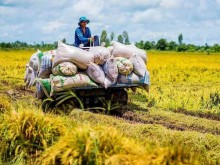
It is crucial for local authorities and residents to stay updated with weather forecasts to effectively respond to any unusual weather patterns as the year progresses. The cold air phenomenon is particularly impactful for agriculture, as it can significantly affect crop production, especially for rice, which is the primary food crop in Vietnam.
In summary, while the cold air front is expected to bring cooler temperatures, the ongoing El Nino may alter the typical patterns of cold weather, emphasizing the need for preparedness against potential extreme weather events.