2 famous dishes of fish noodles in the West
An Giang fish vermicelli has a fresh yellow broth, fragrant with turmeric, while Kien Giang fish vermicelli
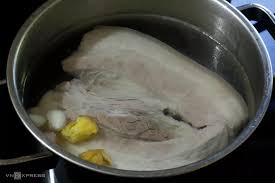
Using meat broth in soup preparation can add depth of flavor and some nutritional benefits. According to Dr. Le Thi Huong Giang, head of the Nutrition Department at Hospital 19-8, when meat is boiled, small amounts of amino acids, gelatin, B vitamins, and minerals dissolve into the water, enhancing the taste of the soup. However, most of the nutrition remains in the meat itself, particularly high-quality protein, iron, zinc, and vitamin B12.
Dr. Giang emphasizes that while meat broth can contribute flavor, it only provides a small amount of soluble nutrients. The suitability of using meat broth may vary based on individual health conditions, especially for those with kidney issues or gout. For fatty meats, such as pork belly or long-simmered dishes, the broth can contain higher fat content, which can raise sodium levels significantly when additional seasonings like salt or fish sauce are added.
The World Health Organization (WHO) recommends that adults consume less than 2,000 mg of sodium per day, equivalent to less than 5 g of salt. Additionally, studies indicate that 30-50% of purines in meat can dissolve into the water during boiling, making the broth, especially from bones, organs, or fatty meats, potentially high in purine content. This poses a risk for individuals with gout, elevated uric acid levels, or kidney disease.
To ensure safety when using meat broth, it is crucial to select meat from reliable sources, store it properly, and prepare it hygienically. During boiling, it is advisable to skim off any initial foam, which contains protein residue and impurities. If the broth has an unusual smell, color, or has been left at room temperature for too long, it should not be used. When preparing soup, skimming off the fat layer on the surface and seasoning lightly can help reduce fat and sodium content. Meat broth should ideally be used on the same day it is made. If not used immediately, it should be cooled quickly, stored in a clean, sealed container, and refrigerated. It is not safe to leave meat broth at room temperature overnight and reheat it the next day due to the risk of bacterial growth, which can increase the risk of food poisoning.



