Hundreds of firefighters tackle wildfire in southern France
France dispatched hundreds of firefighters to battle a wildfire that broke out in the Var region of southern
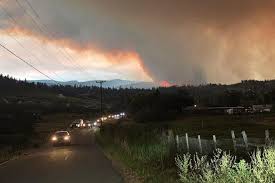
Recent weeks of cool and rainy weather have provided some relief to British Columbia's wildfire season, which had been particularly intense during the summer months. According to the BC Wildfire Service, fire activity peaked in July and August, but the cooler temperatures and precipitation in late August and early September have moderated fire behavior across the province.
Neal McLoughlin, superintendent of predictive services with BCWS, noted that while the recent weather has helped reduce fire activity, underlying drought concerns remain. Many areas in British Columbia, including the Chilcotin, Lower Thompson, Okanagan, Vancouver Island, and the northeast, are experiencing above-average drought conditions. As fall approaches, dryer-than-normal conditions are expected, which could lead to above-normal fire activity later in the season.
Since the start of the fire season on April 1, British Columbia has recorded 1,420 wildfires, which have burned a total of 477,521 hectares. This year's fire season has been marked by significant incidents, including the Bald Range wildfire near Summerland, which led to the evacuation of the entire community. Other notable fires include the Kalamoir Park Fire near West Kelowna and the Pear Lake fire near Clinton.
Of the wildfires reported this year, 62 percent were caused by lightning strikes, while 35 percent were human-caused, with the remaining fires of undetermined origin. The total area burned in 2026 is lower than in previous years, with 2025 seeing 886,410 hectares burned, and 2024 recording 1,081,159 hectares. The 2023 wildfire season remains the most destructive on record for British Columbia, with nearly 2.9 million hectares affected.
Looking ahead, the potential for warm and dry winter conditions could further impact drought levels and snowpack across the province. As of May 1, the provincial snowpack was recorded at only 83 percent of normal, with particularly low measurements in the Okanagan, Similkameen, South Coast, and Vancouver Island regions.