Fed Likely to Raise Interest Rates Amid Inflation Concerns
The Federal Reserve is increasingly expected to raise interest rates next week due to persistent inflation
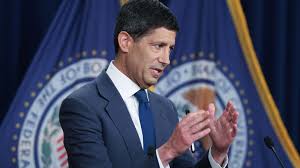
The Federal Reserve is set to raise its benchmark interest rate for the first time in three years, a move that reflects its ongoing battle against persistent inflation. Wall Street has adjusted its expectations, now assigning a better than 90% probability that the Federal Open Market Committee (FOMC) will vote to increase the overnight funds rate by a quarter percentage point, which would place the target range at 3.75% to 4%.
Just a month ago, the likelihood of a rate hike was only 36%, as traders anticipated softer inflation readings and were uncertain about Chairman Kevin Warsh's commitment to a hawkish policy. However, Warsh's comments at the annual symposium in Jackson Hole, Wyoming, coupled with disappointing inflation data and a tightening labor market, have shifted market sentiment. The recent surge in crude oil prices, driven by geopolitical tensions, has further pressured the Fed to take action.
Economists at Morgan Stanley have also revised their forecasts, now predicting two rate hikes this year instead of none, citing Warsh's statements and rising oil prices as key factors. They expect the first hike to occur this week, followed by another in December. Michael Gapen, the chief U.S. economist for Morgan Stanley, emphasized that failing to raise rates could damage the Fed's credibility and lead to higher long-term risk premiums.
This anticipated rate increase would mark the first since July 2023, during which the FOMC has implemented six rate cuts totaling 1.75 percentage points. Investors are also keenly awaiting other economic indicators, as the FOMC will update its Summary of Economic Projections, which includes forecasts for unemployment, inflation, and GDP. This update will also introduce projections extending to 2029.
Market reactions to the rate hike are expected to be mixed. HSBC analysts predict an initial decline in stock prices, followed by a recovery, as has been typical in previous rate hike cycles. They noted that smaller normalization cycles in the past have often led to eventual market stabilization.
As the Fed prepares for this significant decision, all eyes will be on the details released during the meeting, particularly the updated dot plot that reflects individual participants’ expectations for future interest rates.