Bank of England expected to hold interest rates through 2026 despite rising inflation risks
The Bank of England is now widely expected to keep interest rates unchanged for the rest of 2026, even as
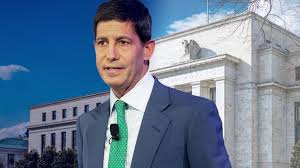
The Federal Reserve (Fed) is currently exhibiting a more hawkish stance, with 9 out of 19 policymakers forecasting an increase in interest rates by the end of the year, primarily driven by rising inflation linked to oil prices. Despite this, a significant number of economists remain optimistic that the Fed's next action will be a reduction in interest rates rather than an increase.
As of June 17, the Fed maintained interest rates at 3.50% - 3.75%, yet the recent policy meeting indicated a shift in tone. The Fed removed any dovish guidance from its short policy statement, acknowledging that inflation remains significantly above the target of 2%. This inflationary pressure is partly attributed to supply shocks, particularly in energy prices, prompting the Fed to emphasize its commitment to stabilizing prices.
The Fed's dot plot, which illustrates interest rate projections, shows that 9 policymakers anticipate a rate hike by year-end, while 8 expect rates to remain unchanged. Only one member forecasts a rate cut, with another abstaining from making a prediction. This marks a stark contrast from March's expectations, where policymakers were inclined towards another rate cut this year.
The acceleration of inflation in May, coupled with the Fed's hawkish outlook, has led the market to speculate that the Fed might increase rates by the end of the year. According to CME's FedWatch tool, investors assign a 77% probability to a 0.25 percentage point rate hike or more by year-end.
Nevertheless, many Fed officials are cautious about raising rates. Influential Fed policymaker John Williams has expressed concerns about inflation but believes the current monetary policy stance is well-positioned to achieve the 2% inflation target.
Experts are divided on whether the Fed's next move will be to raise or lower interest rates. Analysts at Bank of America predict three rate hikes this year as policymakers take decisive action to curb inflation, which has exceeded the 2% target for five consecutive years. Conversely, Andrew Hollenhorst, Chief U.S. Economist at Citi Research, argues for a more accommodative monetary policy. He suggests that data indicates the economy may require rate cuts rather than hikes, citing factors such as a shift in the oil market from scarcity to surplus, which alleviates inflationary risks.
Hollenhorst also points out that despite a stronger-than-expected GDP growth in the first quarter, actual consumer spending has been revised down to its lowest levels in years. He predicts that the labor market will show signs of weakening, which may prompt a reevaluation of rate hike expectations.
Similarly, Robin Brooks, a senior researcher at the Brookings Institution, believes that market expectations for a Fed rate hike are misplaced, especially as oil prices have returned to pre-war levels. He anticipates that the upcoming Consumer Price Index (CPI) report for June, due on July 14, will shift investor sentiment and align with his view that the Fed's next move may likely be a rate cut.
In summary, while the Fed's current posture suggests a potential increase in interest rates due to inflation concerns, a significant portion of the economic community is advocating for a more cautious approach, with some predicting that the next steps may involve reducing rates instead.