China's Aggressive Gold Purchasing Strategy Explained
China is intensifying its gold purchases to strengthen its position in the global gold market. The People's
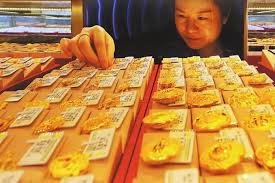
China's People's Bank has made headlines by purchasing gold for 21 months in a row, making it a focal point in the global gold market with reserves totaling 2,366 tons. According to the September report from the World Gold Council (WGC), the central bank bought an additional 20 tons of gold in July, bringing its total purchases for the year to 60 tons.
This marks a notable trend, as China has consistently increased its gold reserves, with the pace of purchases accelerating in recent months. Since May, the country has recorded double-digit monthly gold purchases, with July seeing a significant 20 tons added to its reserves. This surge in demand indicates that China's appetite for gold has not only remained steady but has also shown signs of increasing recently.
In the first seven months of this year, global central banks collectively purchased around 130 tons of gold, which is lower than the approximately 160 tons recorded during the same period in 2022. Currently, China's official gold reserves account for about 8% of its total reserves, making it the sixth-largest holder of gold in the world.
Experts attribute China's gold accumulation to several factors, including a continuous decline in gold prices, particularly in June and July, following a sharp increase earlier in the year. Additionally, the strengthening of the Chinese yuan has boosted investment demand for gold.
Another contributing factor is the trend among Chinese banks to increase their gold holdings to meet retail demand. Local banks have been authorized by the People's Bank of China to import gold under a quota system, which has likely been encouraged by new licensing mechanisms effective from June 1.
Analysts also point to a broader trend of diversifying reserve assets, reducing reliance on the US dollar. In an increasingly complex global geopolitical and financial environment, many countries view gold as a strategic reserve asset that is not tied to any nation's debt obligations or policies. Earlier this year, China Daily noted that increasing the proportion of gold in foreign exchange reserves is a long-term strategy for China.
Many research organizations believe that gold is playing an increasingly vital role in the reserve management strategies of major economies, especially in the ongoing shift away from US dollar-denominated assets. Ray Jia, head of market research for China at WGC, stated that the price disparity between gold in China and the global market continues to be a significant factor driving import activity. The WGC expert emphasized that China is now one of the largest gold-consuming markets in the world.