Gold Prices Surge by Up to 3 Million VND on July 4, 2026
On July 4, 2026, gold prices in Vietnam saw a significant increase, rising by up to 3 million VND per tael.
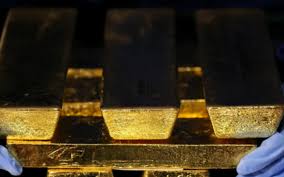
China has recently imported approximately 163 tons of gold in May 2026, marking the highest level since March 2024. This surge has contributed to a total of 692 tons of gold imported in the first five months of the year, representing a 76% increase compared to the same period last year. However, a notable paradox has emerged: despite this massive influx, most of the gold seems to be vanishing from conventional consumption channels.
According to customs data cited by Bloomberg, one would expect this substantial volume of gold to flow quickly into the domestic market through the Shanghai Gold Exchange (SGE), a standard measure for wholesale demand. Yet, reports indicate the opposite. The World Gold Council (WGC) revealed that only 64 tons of gold were withdrawn from the SGE in May, a decrease of 38% from the previous month and 36% year-on-year. This figure represents the lowest amount for May since 2010.
Simultaneously, there has been a significant shift in investment patterns, with gold exchange-traded funds (ETFs) in China experiencing a net outflow of $1.2 billion in May, ending an eight-month streak of inflows. Analysts from WGC and Investing.com suggest that around 100 tons of the imported gold are being absorbed through banking channels, stockpiling, and accumulation, rather than flowing through the SGE.
Many observers have speculated that the People's Bank of China (PBOC) is secretly acquiring this massive amount of gold. However, official data indicates that the PBOC only purchased 10 tons in May, a modest figure compared to the total imports. This suggests a more complex scenario is unfolding. Analysts point out that the Chinese gold market is undergoing a structural shift, with the discrepancy between imports and SGE withdrawals indicating that the gold is being absorbed in alternative ways.
One channel involves commercial banks quietly accumulating gold, both for future demand and as collateral for loans and transactions. Another channel is through gold accumulation products for individual investors, where citizens purchase gold via banking apps in a monthly contribution format. This gold is held by banks, thus not being withdrawn from the SGE. Additionally, strategic stockpiling is taking place, where imported gold is being retained by banks and businesses in anticipation of regulatory changes.
Investing.com notes that China's new import licensing mechanism, effective from June, has led to a "pre-import wave," with banks accelerating imports to take advantage of old quotas before new regulations come into effect. As China continues to increase its gold reserves for the 19th consecutive month, this stockpiling is not merely a precaution but a long-term strategic move. It is shaping a regional gold system where gold serves not only as an asset but also as a strategic tool for future transactions.
The most intriguing aspect of this situation lies not just in the supply-demand paradox but also in the strategic context. The massive imports and underground absorption channels may reflect a broader ambition of China and the Asian region to establish a gold trading system less reliant on the West. Hong Kong and Singapore are actively building payment, custody, and clearing systems to become true gold hubs, moving beyond their previous roles as mere transit points.
In particular, Hong Kong is set to launch a new centralized gold clearing payment system in July, viewed as a controlled replica of the London Bullion Market Association (LBMA) system but operating within the ecosystem of the Renminbi. The paradox of record gold imports amid plummeting retail demand may not be a concerning mystery but rather a sign that the gold market is "playing a new game": gold is not just a hedge for individual investors but a strategic asset in the currency competition and financial infrastructure development across Asia. As the global market continues to trade gold in sync with the US dollar and interest rates, the future of the gold market may increasingly be influenced by these underground flows.