Three Gold Shop Owners in Ho Chi Minh City Charged in Smuggling Case
Three owners of major gold shops in Ho Chi Minh City have been charged in connection with an international
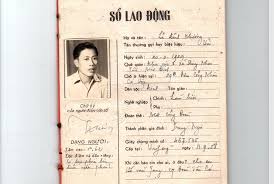
A gold ring that belonged to Lê Đình Khương, who left it behind before heading to the southern battlefield in 1964, has returned to his family after nearly 60 years. This poignant story reflects the enduring connections forged during Vietnam's turbulent history.
Lê Đình Khương, born in 1929 in Quy Nhơn, Bình Định province, was an active participant in the resistance against French colonial rule. He took on various roles, from youth volunteer to a captain in the local militia. After the Geneva Agreement in 1954, he was among those who moved to the North, where he worked in the fishing industry and was later sent to study at a technical school in Hải Phòng.
Before departing for the southern front, Khương entrusted his gold ring, along with personal documents and tools, to a military recruitment station. During his time in the South, he worked in the economic department of Kon Tum province. Unfortunately, in 1969, he fell seriously ill and was evacuated back to the North for treatment, where he met his future wife, Cao Thị Phòng.
After marrying, the couple had three children. Despite the challenges of war and separation, Khương maintained connections with his first wife, Nguyễn Thị Khá, and their children in Bình Định. The two families eventually formed a bond, sharing their experiences and maintaining relationships across the divide.
Khương often reminisced about the gold ring he left behind, but he never managed to retrieve it before his passing in 2011. In 2022, efforts by the National Archives Center III led to the discovery of his documents and the long-lost ring. Phòng was overwhelmed when she received the call about the ring's return, which remained bright and intact after all those years.
The return of the gold ring symbolizes not only a personal reunion but also a broader narrative of reconciliation and remembrance for many families affected by the war. As more artifacts and documents are returned, they help close the chapters of longing and loss experienced over decades.
Khương's case is one among thousands of civil officials who served in the South from 1959 to 1975, highlighting the sacrifices made during a pivotal time in Vietnam's history. The ongoing efforts to restore these historical items continue to bring closure and healing to families across the nation.