Russia's Gold Reserves Hit Lowest Level in Over Six Years
The Central Bank of Russia's gold reserves have dropped to their lowest level since early 2020, with a
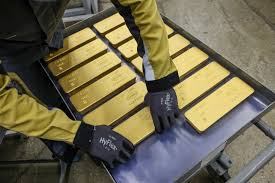
Russia's Central Bank continues to decrease its gold holdings in international reserves, reaching the lowest level since early 2020. According to data released by the Central Bank of Russia, as of August 1, the country's gold reserves amounted to 73.2 million ounces, a reduction of 1.6 million ounces compared to the start of the year. This marks the lowest level in over six years.
During this period, the value of the Central Bank's gold reserves has decreased by $33.7 billion in the first seven months of the year. The Central Bank of Russia was once one of the largest national gold buyers globally, acquiring a significant portion of the country's mined gold over many years. However, it suspended its regular gold purchasing program at the beginning of 2020.
In 2022, the Central Bank announced its readiness to resume gold purchases amid sanctions that made it increasingly difficult for Russian producers to bring precious metals to international markets. This move was intended to provide additional outlets for domestic gold supply. Nevertheless, the Central Bank has not returned to large-scale gold buying as it did before 2020.
The trend of decreasing gold reserves became evident last year when the Russian Ministry of Finance sold gold and foreign currency from the National Welfare Fund to supplement budget resources. These transactions occurred as revenue from the energy sector weakened, adding pressure to the Russian government's budget balance.
Using a mechanism commonly referred to as the 'mirror mechanism,' the Central Bank of Russia conducts corresponding transactions in the domestic market to neutralize the impact of the Ministry of Finance's asset buying and selling activities on the ruble and the financial system. Therefore, the reduction in gold on the Central Bank's balance sheet does not simply reflect an independent decision to sell gold reserves but is also related to the coordination between fiscal policy and monetary regulation activities.
As of early August, the gold holdings of 73.2 million ounces represent a significant shift from the period when Russia was continuously accumulating gold and held a prominent position among the largest gold-buying countries in the world.