Northern Vietnam to Experience First Cold Front with Rain
Northern Vietnam is set to welcome its first cold front of the season, bringing light rain and cooler
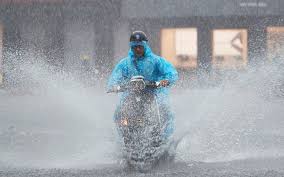
The National Center for Hydro-Meteorological Forecasting has announced that Northern Vietnam will soon experience a cold front, leading to widespread rain over the next two days. This weather pattern typically occurs at the end of September each year, marking the transition into the colder months.
According to forecasts, from now until September 7, the weather in Northern Vietnam will be characterized by scattered showers and occasional thunderstorms. Specifically, the Northwest region may see light rain starting this evening, with more significant rainfall expected from the night of September 7 through September 15.
During this period, the cold front is anticipated to bring about scattered rain and thunderstorms, particularly around September 9-10. Although this cold front is expected to be weak, it will still lead to a slight drop in temperatures, making the weather cooler.
Experts from the Ministry of Agriculture and Rural Development have noted that the current El Niño phenomenon is developing and is likely to reach a strong intensity by the end of 2026. This could result in above-average temperatures across the country, with predictions of 0.5 to 1.5 degrees Celsius higher than normal in various regions.
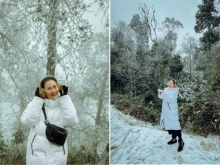
The cold front typically begins to affect Northern Vietnam from late September to early October, with about 5-7 occurrences expected over three months. While the frequency of severe weather events such as storms and heavy rainfall may decrease, residents, especially in the northern mountainous areas, are advised to remain vigilant for potential cold spells that could lead to significant temperature drops and even snowfall.
Cold weather is defined as a weather phenomenon where a cold air mass moves from the Asian continent to Vietnam, causing strong northeast winds and cold temperatures. This phenomenon usually occurs during the winter months and can lead to dangerous weather conditions, including heavy rain and strong winds, particularly in coastal areas.
As the winter months approach, it is crucial for local authorities and residents to stay updated on weather forecasts to effectively respond to any unusual weather patterns that may arise in the latter part of 2026.