Massive Flash Floods Hit Nepal-China Border, Hundreds Missing
A catastrophic flash flood has struck the Nepal-China border, leaving hundreds missing and many feared dead.
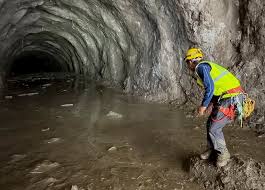
Rescue teams in Nepal are intensifying their efforts to locate and save more than 900 people who are believed to be trapped in hydroelectric tunnels after catastrophic flash floods struck the region. According to the National Disaster Risk Reduction and Management Authority of Nepal, these individuals are among those caught in the aftermath of unprecedented flooding that occurred on August 26.
The floods, triggered by a landslide and snow collapse in the high Himalayas, have resulted in over 900 fatalities and nearly 5,000 people reported missing, including 592 foreign nationals. In Tibet, Chinese authorities have reported 16 deaths and 546 people missing, with 261 of those being foreigners, including over 100 Nepali citizens.
As rescue operations continue, officials have reported that hundreds of unidentified bodies have been buried in shallow graves due to decomposition in the humid weather of the plains following the floods. The primary focus remains on accessing 933 workers trapped in 11 hydroelectric projects, particularly in the heavily affected districts of Rasuwa and Nuwakot.
Images and videos shared by rescue teams show heavy machinery clearing debris and mud to reach the tunnels. Raja Ram Basnet, a spokesperson for the Nepalese army, noted, "A significant amount of earth and mud has buried the area, creating a major challenge for accessing the tunnels." The army has deployed controlled explosives, excavators, and floodlights to clear water and mud in their search for the trapped individuals.
On August 30, rescue teams made efforts to reach the Chilime Hydroelectric Plant in Rasuwa, the area most severely impacted by the floods. Basnet emphasized that the large volume of debris is complicating their efforts to open the tunnels. "Our main goal is to access the tunnels," he stated.
The flash floods resulted from a sudden collapse of glacial ice and rock in the Himalayas, with satellite imagery indicating that the bedrock beneath a glacier had collapsed, releasing a massive volume of meltwater and debris into the valleys. This surge caused rivers to rise rapidly, sweeping away homes, bridges, and infrastructure in both Tibet and Nepal.
While Nepal has declared that it does not require international assistance for its overall rescue efforts, it has sought specialized help from neighboring countries India and China for tunnel rescue operations. However, rescue activities have been repeatedly disrupted by adverse weather conditions and concerns that a newly formed lake at the Nepal-China border could trigger further flooding as water begins to overflow into Nepalese rivers.
On August 31, Chinese state broadcaster CCTV reported that ice blocks near a large sinkhole created by the glacier collapse remain at risk of further collapse. Drone footage has revealed numerous boulders along the riverbanks, posing additional risks of landslides and the formation of new lakes.