The Future of International Cryptocurrency Exchanges Post-September 1
New regulations effective September 1 will reshape the landscape for international cryptocurrency exchanges
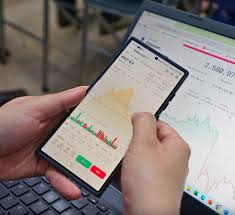
As of September 1, 2026, cryptocurrency investors in Vietnam will need to comply with new regulations aimed at regulating the booming digital asset market. Failure to transition to licensed exchanges could result in fines reaching up to 100 million VND for individuals and 200 million VND for organizations. This move comes as Vietnam has emerged as a leader in cryptocurrency ownership, with approximately 17 million individuals engaging in digital asset transactions.
Phan Minh, an investor from Ho Chi Minh City, expressed his concerns about the need to choose reputable exchanges as the government moves towards regulation. He is currently monitoring the licensing process and features of domestic exchanges, indicating a willingness to switch if these platforms prove reliable and user-friendly.
Under Decree 284/2026/NĐ-CP, domestic investors who trade digital assets without using a licensed service provider could face fines ranging from 30 to 50 million VND. Transactions involving foreign investors may incur penalties of 70 to 100 million VND. The regulations reflect the rapid growth of the digital asset market in Vietnam, which ranks among the top five globally in interest and usage of international trading platforms.
The Ministry of Finance has received seven applications for pilot licensing, with five deemed complete. Companies like Sacom Exchange (SCEX) and VIX Exchange (VIXEX) are among those working to meet the necessary capital and technology requirements. However, no licensed exchanges are currently operational.
Amidst this regulatory shift, many investors are questioning whether they need to immediately withdraw their assets from international platforms like Binance or OKX. According to Pham Manh Cuong, founder of Wischain, while the decree takes effect on September 1, investors will have a six-month grace period following the licensing of the first domestic exchange to transition their activities.
Investors are advised not to sell their cryptocurrencies during this transition. Instead, they can transfer their assets between platforms as supported by the exchanges. This approach allows them to maintain ownership without incurring unnecessary losses.
Experts believe that the establishment of licensed exchanges will provide greater security and regulatory clarity for investors. Tô Trần Hòa, Deputy Head of the State Securities Commission, noted that the market is being developed in a controlled manner, focusing initially on spot trading and payments in Vietnamese Dong. More complex products will be considered in future stages.
Investors should also be aware that not all digital assets will be available for trading. Some assets tied to real-world commodities may only be accessible to foreign investors. Therefore, it is crucial for domestic investors to verify the types of assets they are trading to avoid penalties.