Lam Dong Plans Coastal Urban Tourism Development on 32,000 Hectares
Lam Dong province is set to develop a coastal urban tourism project covering nearly 32,000 hectares. This
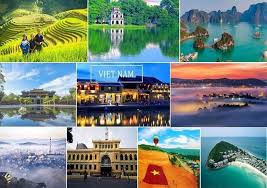
The Vietnamese government has announced a strategic plan to develop its tourism sector into a major economic force. This initiative, formalized through Resolution No. 26-NQ/TW, was signed by General Secretary and President To Lam on August 22, 2026. The resolution aims to elevate tourism's contribution to the national economy, targeting a direct impact of 10-12% on the GDP by 2030.
Over the past decade, there has been a positive shift in the recognition of tourism's role in economic growth. However, the sector still faces challenges, including a lack of sustainable practices and innovative tourism products. The resolution identifies five guiding principles to address these issues, emphasizing the need for a comprehensive economic ecosystem and a shift from quantity to quality in tourism offerings.
To achieve these goals, Vietnam plans to attract between 45-50 million international tourists and 160 million domestic tourists by 2030, generating an estimated tourism revenue of $80-90 billion. Key growth areas will include major cities like Hanoi, Ho Chi Minh City, and Da Nang, along with the establishment of ten important tourism centers and 20 national tourist zones.
By 2045, the vision is for Vietnamese tourism to be recognized as a modern and sustainable sector, contributing 14-15% of the GDP and ranking among the top 30 countries globally in tourism competitiveness. To facilitate this transformation, the resolution outlines eight key tasks, including improving infrastructure, enhancing tourism marketing, and fostering innovation in tourism management.
With these initiatives, Vietnam aims to solidify its position as a leading destination in Southeast Asia, ensuring that tourism not only boosts the economy but also provides sustainable livelihoods for its citizens.