42nd ASEAN Summit wraps up highlighting three key pillars
The 42nd ASEAN Summit concluded on May 11 after three days of meetings, with leaders approving many documents
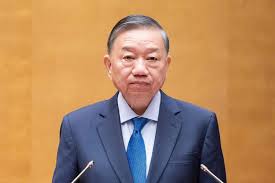
In a recent address, Vietnam's General Secretary and President underscored the need for a strategic approach to economic development, particularly in the context of the country's evolving investment landscape. The remarks were made in relation to Resolution No. 10, which outlines a vision for the future of Vietnam's economy, aiming to elevate its status within the ASEAN region.
The resolution sets forth higher goals and requirements for the development of the economy, particularly in relation to foreign investment. It emphasizes the importance of enhancing the country's self-reliance, production capacity, technology, and overall competitiveness. The leadership aims for Vietnam to be among the top ASEAN nations by 2030 in terms of investment environment, innovation, public service quality, and the ability to attract high-quality foreign investment projects.
One of the key points raised by the leaders is the need to avoid a scenario where every locality aspires to develop ports and airports indiscriminately. This reflects a broader strategy to ensure that infrastructure development aligns with the overall economic goals and does not lead to oversaturation or inefficiencies.
As Vietnam continues to position itself as a dynamic player in the global economy, the implementation of Resolution No. 10 will be crucial in navigating the challenges and opportunities that lie ahead. The focus on strategic investments and sustainable development is expected to foster a more competitive and resilient economic environment.
This approach not only aims to attract foreign capital but also seeks to enhance the domestic economy's capabilities, ensuring that it can compete effectively on a global scale. The leadership's vision is clear: a well-planned, strategically developed economy that prioritizes quality and sustainability over mere quantity.