Global Gold Prices Drop Below $4,000 Amid Rising Oil Prices
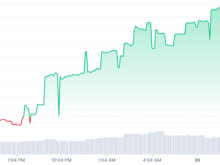
Global gold prices have fallen below $4,000 per ounce, while crude oil prices have surged nearly 10%. This
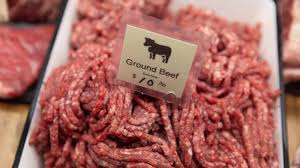
President Donald Trump announced on August 21, 2026, that the United States will allow the importation of up to 300,000 metric tons of ground beef over the next three months without incurring out-of-quota tariffs. This decision is part of an effort to lower beef prices for consumers, as the country grapples with rising food costs.
Trump stated that importers have committed to selling this ground beef at prices 25% lower than current market rates. He plans to formalize this initiative through an executive order within the next two weeks. However, the specifics regarding which companies will provide this beef and the countries involved in the agreements have not been disclosed.
The announcement comes amid concerns from Republicans about the potential impact of rising food prices on upcoming congressional elections. Many in the GOP fear that voters’ worries about affordability could lead to losses in the polls.
Despite the intention to help consumers, the move has drawn criticism from the National Cattlemen's Beef Association and several Republican senators. They argue that allowing large imports of foreign beef will not effectively address the challenges facing American ranchers, particularly in rebuilding the U.S. cattle herd, which has been significantly reduced due to drought and high feed costs.
Senator Tim Sheehy from Montana expressed his concerns on social media, stating that he has advised against such actions for over a year, indicating that it would further harm American ranchers who are already struggling. Senator Deb Fischer from Nebraska echoed these sentiments, emphasizing that while lower grocery prices are desired, they should not come at the expense of American producers.
Currently, the U.S. imposes tariffs on imported beef that exceed a certain quota limit, with a significant difference between the tariff rates for beef imported under quota and those above it. The American Farm Bureau Federation has reported that the size of the U.S. cattle herd is at its lowest since the 1950s, exacerbating the issue of rising beef prices.
As Trump moves forward with this tariff waiver, the implications for both consumers and producers in the U.S. beef market will continue to unfold.