Average Lending Rate Rises to 10.5% Per Annum
The average lending rate in Vietnam has increased to 10.5% per annum, marking a significant adjustment by
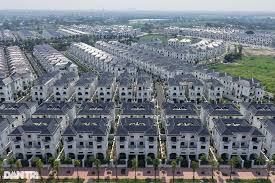
Floating interest rates in Vietnam have recently surpassed 14% per annum, prompting banks to scale back on home loan offerings. Experts suggest that the slowdown in home loan approvals during the second quarter is understandable given the prevailing high interest rates and the limited availability of affordable housing.
As of August 24, a survey indicated that several banks have average lending rates exceeding 10% per annum. For instance, Vikki Bank reported a rate of 10.82%, while BVBank and Bac A Bank had rates of 10.72% and 10.48%, respectively. Techcombank announced an average lending rate of 10.62% for individual clients and 9.64% for corporate clients. OCB is offering loans at 10.52% per annum, similar to Bac A Bank's rate of 10.48%.
Compared to the previous month, average lending rates at banks such as Techcombank, Bac A Bank, and BVBank have shown an upward trend. Some banks, like GPBank, have even exceeded 11% per annum, with a reported rate of 11.34%. The disparity between lending and average deposit rates at GPBank is currently around 2.93 percentage points.
Recent data from the State Bank of Vietnam revealed that in July, average deposit rates increased, and lending rates also edged up, fluctuating between 8.3% and 10.5% annually. However, these rates typically apply only during the initial period of the loan. Once the promotional period ends, rates often shift to a floating mechanism based on the base rate or reference rate plus a margin of approximately 3.3% to 3.5%. Consequently, borrowers are facing effective rates ranging from 13% to 15% annually.
A recent report from SSI Securities Company highlighted the current floating lending rates, which are estimated to range between 12% and 14% per annum. This situation has resulted in a stagnation of home loan disbursements across the banking sector, including banks with ample credit limits such as VPBank, HDBank, and Techcombank. Additionally, the construction credit segment is also showing signs of slowing down at major lending banks like MB, VPBank, and Techcombank.
The report from SSI indicated that this trend is relatively understandable given the significant increase in home loan interest rates, which are currently prevalent at 12% to 14%, while the supply of affordable housing remains limited.
Analysts have pointed out that amidst sustained high interest rates, banks are increasingly shifting their lending structures towards medium- and long-term loans rather than focusing on short-term credit. Despite the slowdown in home loans, overall credit growth remains positive, increasing by 5.3% in the second quarter and 9.1% since the beginning of the year. This growth is primarily concentrated in the non-state sector, with banks like VPBank, HDBank, Techcombank, and MB leading the charge.
In contrast, the Big Four banks are experiencing more cautious growth, with VietinBank and BIDV only increasing by about 3% compared to the previous quarter, while Vietcombank's lending remained nearly flat, with a mere 0.2% increase. This cautious approach is attributed to banks proactively allocating credit limits for large-scale national infrastructure projects expected to gain momentum in the latter half of the year.
In this context, banks are likely to return to their core lending segments and strengths while increasing the proportion of medium- and long-term credit.