Tropical Depression Near Philippines Expected to Intensify
A tropical depression near the Philippines is anticipated to strengthen into a tropical storm within the
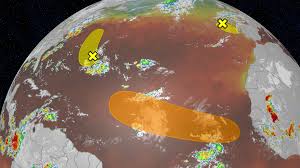
The Atlantic Basin is showing signs of activity as the National Hurricane Center has flagged two areas for potential tropical development. After a relatively quiet hurricane season, forecasters are keeping a close eye on these systems, which could change the dynamics of the season.
The first area of interest is situated a few hundred miles southeast of Bermuda. This low-pressure system has the potential to develop into a short-lived depression or storm in the coming days as it drifts northward, but it poses no threat to the U.S.
The second area involves a tropical wave that is anticipated to move off the coast of Africa on Monday. This wave is expected to form a low-pressure system as it travels through the Atlantic, with a chance of developing into a depression later in the week.
Two primary factors are crucial for tropical development: sea surface temperatures and wind shear. Tropical systems thrive in warmer waters, which provide the necessary fuel for growth. Conversely, high wind shear—defined as changes in wind speed and direction with altitude—can inhibit development by weakening storms or preventing them from forming altogether.
Currently, the Atlantic is experiencing increased wind shear due to the ongoing strong El Niño, which complicates the conditions for storm formation. Last week, two systems with high development potential were thwarted by strong shear, leading to their demise before they could form.
As we are now in the ramp-up phase of the Atlantic Hurricane Season, activity is expected to increase through mid-September, which is typically the peak period for hurricanes. While the presence of El Niño can hinder storm formation, it only takes one significant storm to make a hurricane season impactful.
Rob Shackelford, a meteorologist and climate scientist, emphasizes the importance of monitoring these systems closely as the season progresses.