Russian Missile Flies 100 km into Poland Without Being Shot Down
A Russian missile traveled approximately 90 km into Poland without being intercepted by F-16 fighters. The
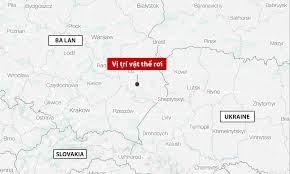
A recent incident involving a Russian missile has raised concerns after it flew approximately 90 km into Polish territory without being intercepted by F-16 fighter jets. According to Polish Deputy Defense Minister Cezary Tomczyk, the missile, identified as a Kh-101 cruise missile, fell in an uninhabited area near the village of Tarnawa-Kolonia, about 90 km from the Ukrainian border. Prime Minister Donald Tusk stated there is 'no reason' to believe the missile was targeting Poland.
On July 30, Russia launched a large-scale attack on Ukraine, firing 61 Kh-101 and Kalibr cruise missiles, among other weaponry, with some missiles reportedly aimed at the Lviv region, which borders Poland. Polish military officials responded by deploying two F-16 fighters from the Lask airbase shortly after detecting the threat. As the situation unfolded, military radar detected around 20 flying objects suspected to be cruise missiles heading towards Poland.
By 3:40 AM, one of these objects had entered Polish airspace and crashed after approximately six minutes, just as the F-16s were arriving to investigate. The missile's landing site was confirmed to be in eastern Poland, creating a 10-meter-wide crater in agricultural land, approximately 2 km from the nearest residential area.
Military analysts have noted that the missile's trajectory brought it close to major Polish cities such as Chełm, Zamosc, and Lublin without being intercepted. The Ukrainian military command indicated that the late detection of the missile was due to the Polish engagement rules, which require pilots to visually identify a target before firing, unless it poses an immediate threat to Polish territory.
Poland's Defense Ministry emphasized that Ukrainian MiG-29 fighters were operating near the border at the time, which could have complicated the situation. The potential for misidentification of friendly aircraft, combined with the lack of a closed airspace in eastern Poland, posed additional risks. Analysts argue that the Polish F-16s may have taken longer to respond due to the complexity of the situation, which included the need for close-range target identification.
Ultimately, the missile fell in a remote area, averting potential harm to civilians. Polish military officials confirmed that they were prepared to engage the missile if it had continued its trajectory, but the timely crash prevented any further escalation.