Dojiland holds topping-out ceremony for Haiphong’s tallest building
HCMC – Local real estate developer Dojiland recently held a topping-out ceremony for the 186-meter-tall
The Council on Vertical Urbanism, previously known as the Council on Tall Buildings and Urban Habitat, has unveiled its updated list of the tallest skyscrapers in the world. This ranking, which has been a point of reference since 1996, highlights the remarkable heights achieved in modern architecture.
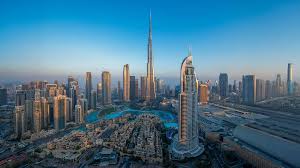
Currently, the tallest building in the world is the Burj Khalifa in Dubai, standing at an impressive 828 meters. Designed by Adrian Smith for Skidmore, Owings & Merrill, this iconic structure has held the title since January 2010. The Burj Khalifa's design features a buttressed core and a concrete spine that supports its soaring height. Interestingly, it includes 244 meters of 'vanity height', which serves no functional purpose but boosts its overall height.
Following closely is Merdeka 118 in Kuala Lumpur, Malaysia, which reaches 679 meters. The name 'Merdeka' translates to 'independence', and the building's unique design reflects light in various ways throughout the day. This skyscraper recently surpassed the Petronas Towers, which had held the Malaysian record since 1998.
The Shanghai Tower ranks third at 632 meters, featuring a distinctive 120-degree twist that not only enhances its aesthetic appeal but also reduces wind load by about 25%. This innovative design, created by the American firm Gensler, includes a double-skin glass façade and houses 270 wind turbines.
Other notable skyscrapers in the top ten include the Makkah Royal Clock Tower in La Mecca (601 meters), the Ping An Finance Center in Shenzhen (599 meters), and the Lotte World Tower in Seoul (555 meters). Each of these buildings showcases unique architectural styles and purposes, from religious to commercial.
Interestingly, the rankings are based on specific criteria established by the Council on Vertical Urbanism, which include measuring height from the main pedestrian entrance to the architectural top and ensuring that at least 50% of the height is occupiable space. This excludes structures like the Tokyo Skytree, which, despite its height of 634 meters, is classified as a telecommunications tower rather than a skyscraper.
As the race for taller buildings continues, the dream of constructing a kilometer-high skyscraper remains unfulfilled. Projects like the Jeddah Tower and Dubai Creek Tower are in various stages of construction, with hopes of eventually surpassing the Burj Khalifa.
In summary, the world's tallest buildings not only represent architectural achievements but also reflect the aspirations and capabilities of modern society.