US Military Accused of Concealing Casualties in Iran Conflict
The US military is under scrutiny for allegedly hiding the number of casualties among its troops in the
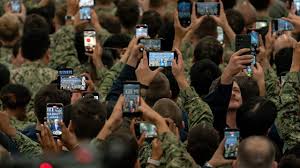
The U.S. military is facing a significant operational security challenge as it considers ordering troops deployed in the Middle East to surrender their cellphones. This decision comes amid warnings that Iran is leveraging social media to gather intelligence on U.S. military operations, particularly by analyzing photos and videos posted by service members.
According to reports, some U.S. troops stationed in Jordan have already been informed that their phones will be confiscated in the coming days. The concern arises from the fact that Iran can utilize publicly available posts to assess the effectiveness of its missile and drone strikes, potentially leading to improved follow-up attacks. U.S. Central Command (CENTCOM) has confirmed that its commander, Admiral Brad Cooper, has communicated the importance of maintaining operational security to service members.
Admiral Cooper's message highlighted the risks of open-source intelligence, stating that online posts provide Iran with near-real-time information regarding the success of its attacks. For instance, footage shared during a recent Iranian strike on a military base showed troops fleeing for safety, which could help Iran determine the effectiveness of its strikes. The admiral warned that such intelligence could have dire consequences for American service members.
Cellphone regulations vary within the military, with personal devices already banned during sensitive missions and in classified areas. However, many troops stationed at overseas bases typically retain access to their phones, which they rely on to communicate with family during deployments. The potential crackdown on cellphone use raises concerns about balancing operational security with the personal needs of service members.
In addition to the immediate risks posed by social media, there are broader concerns regarding the exploitation of commercial location data from smartphones. Lawmakers have previously expressed alarm over adversaries potentially using this data to track U.S. military personnel, urging the Pentagon to implement stricter controls on location services.
As the situation evolves, the U.S. military must navigate the complexities of modern communication technology while ensuring the safety and security of its personnel in an increasingly hostile environment.